
Last updated October 16, 2026
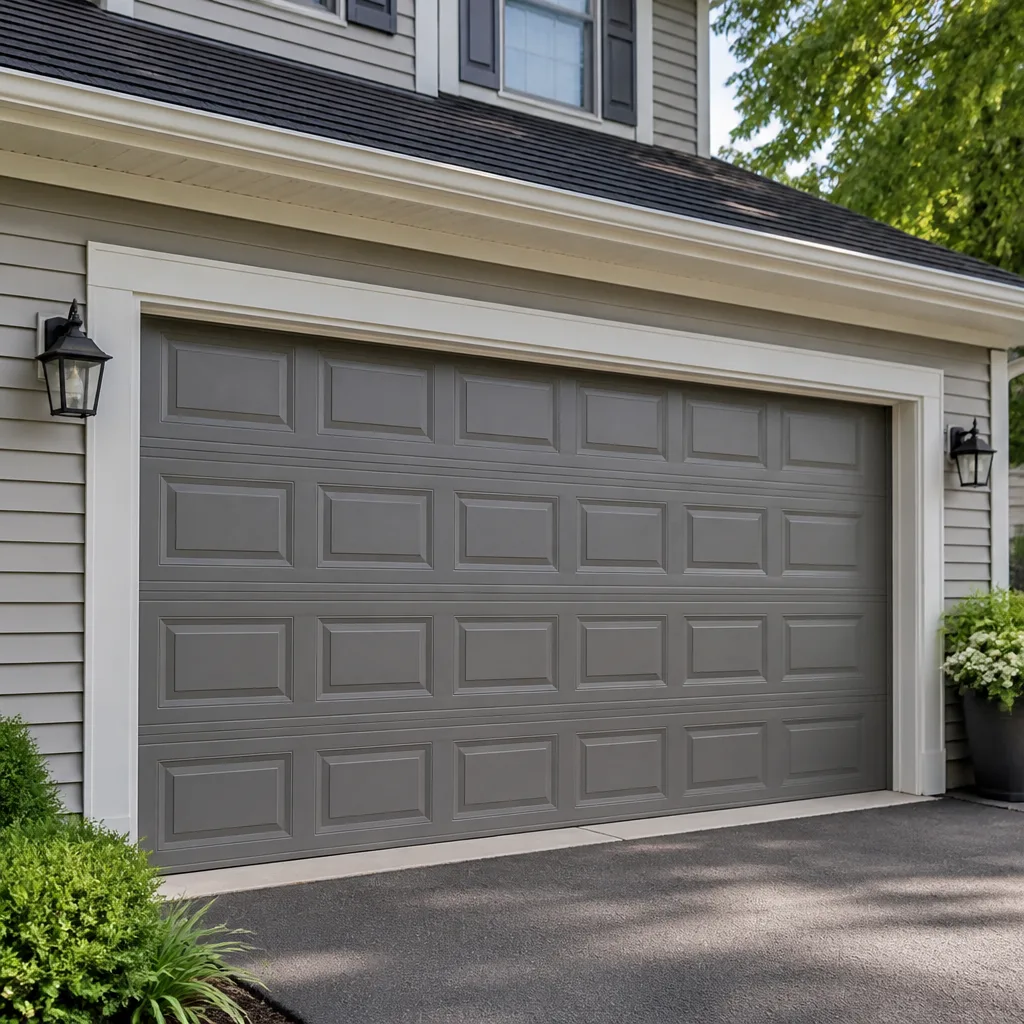 Raised-panel steel
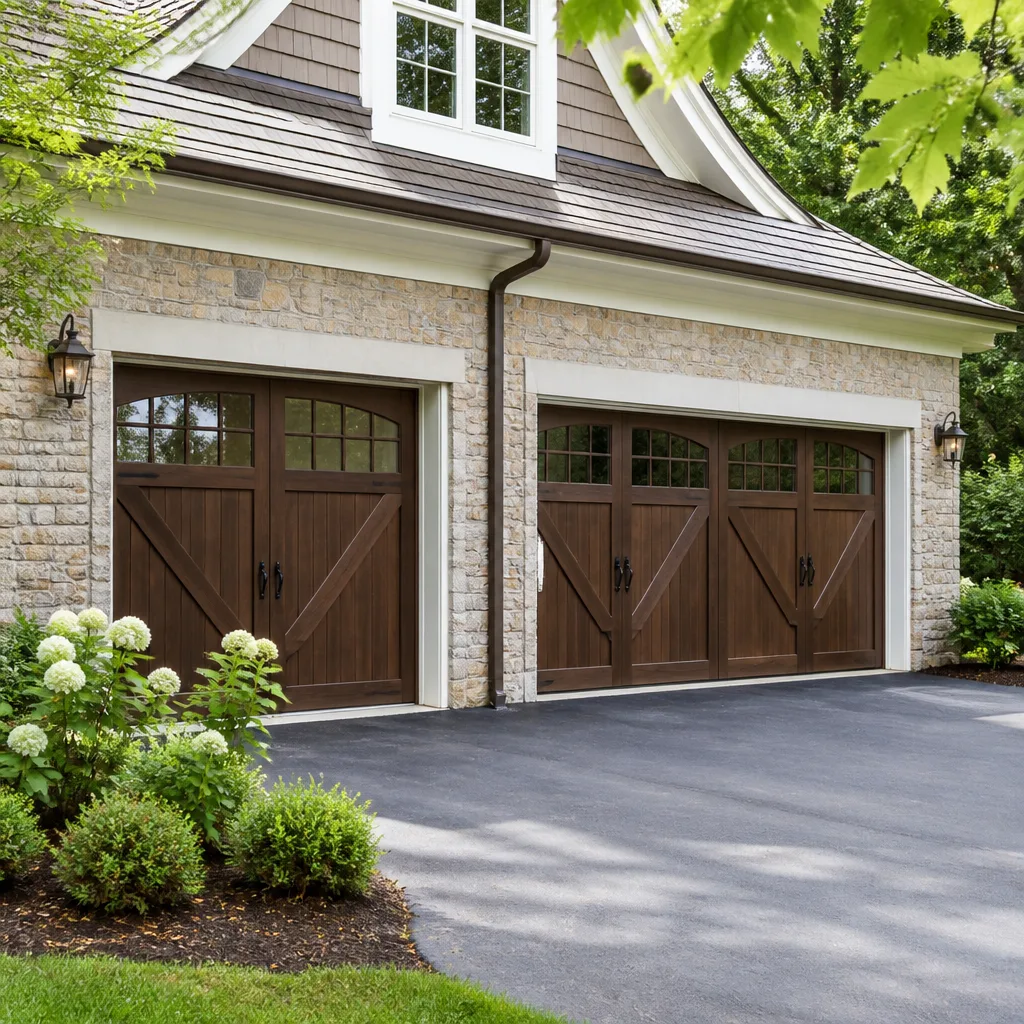 Carriage house
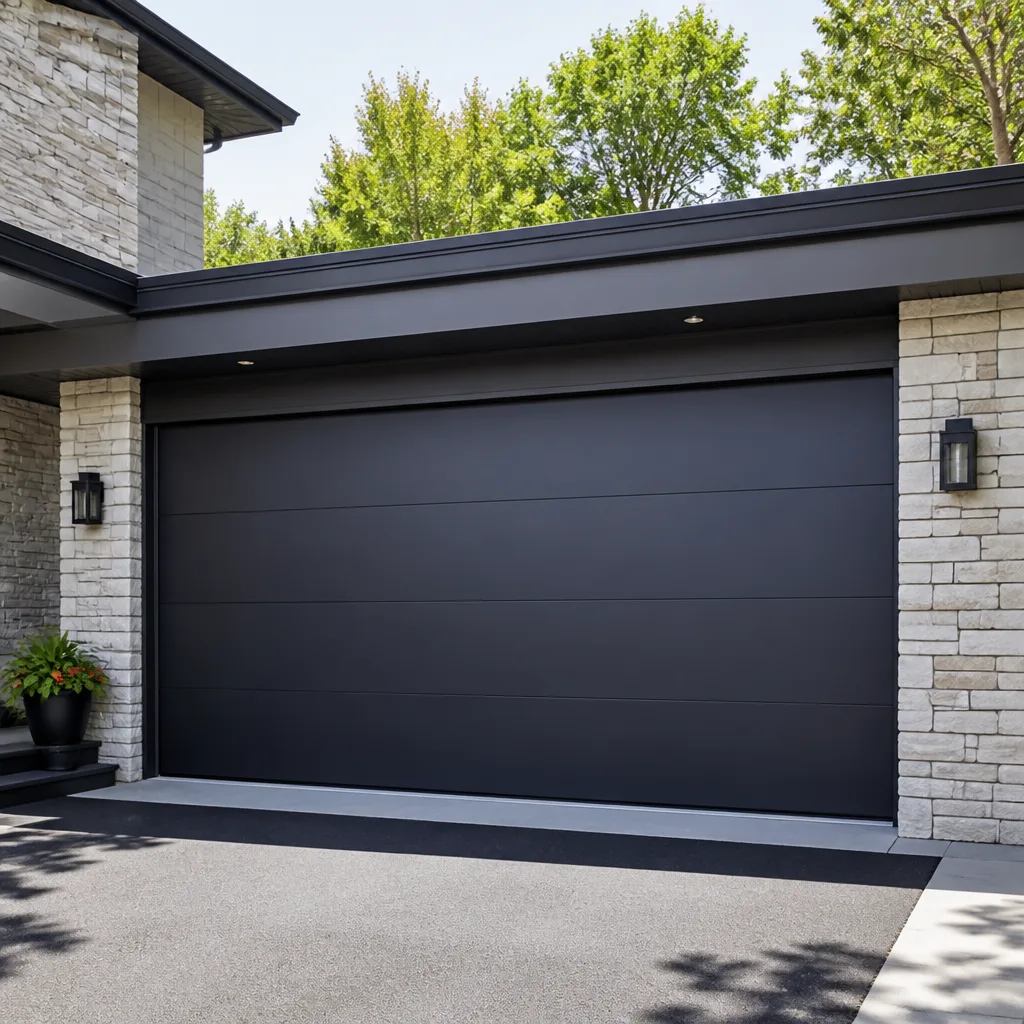 Modern flush
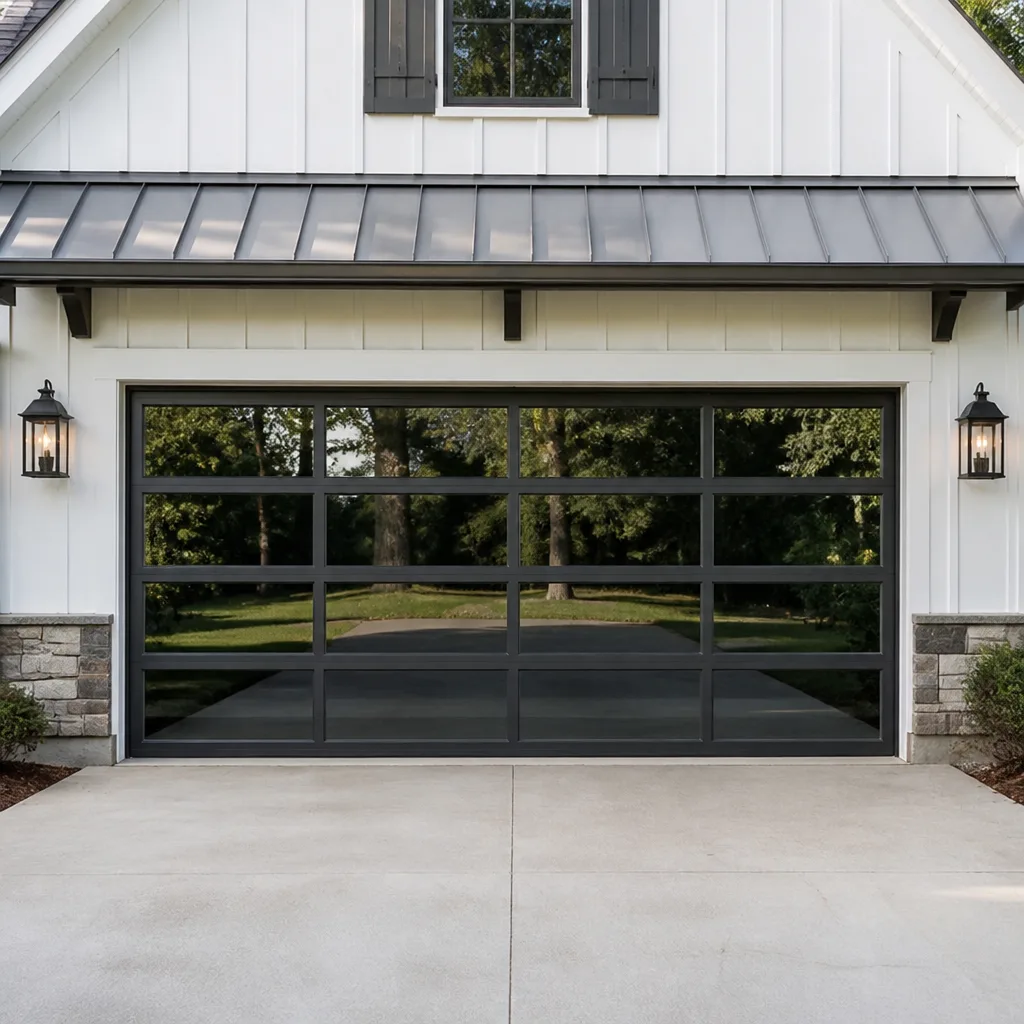 Full-view glass
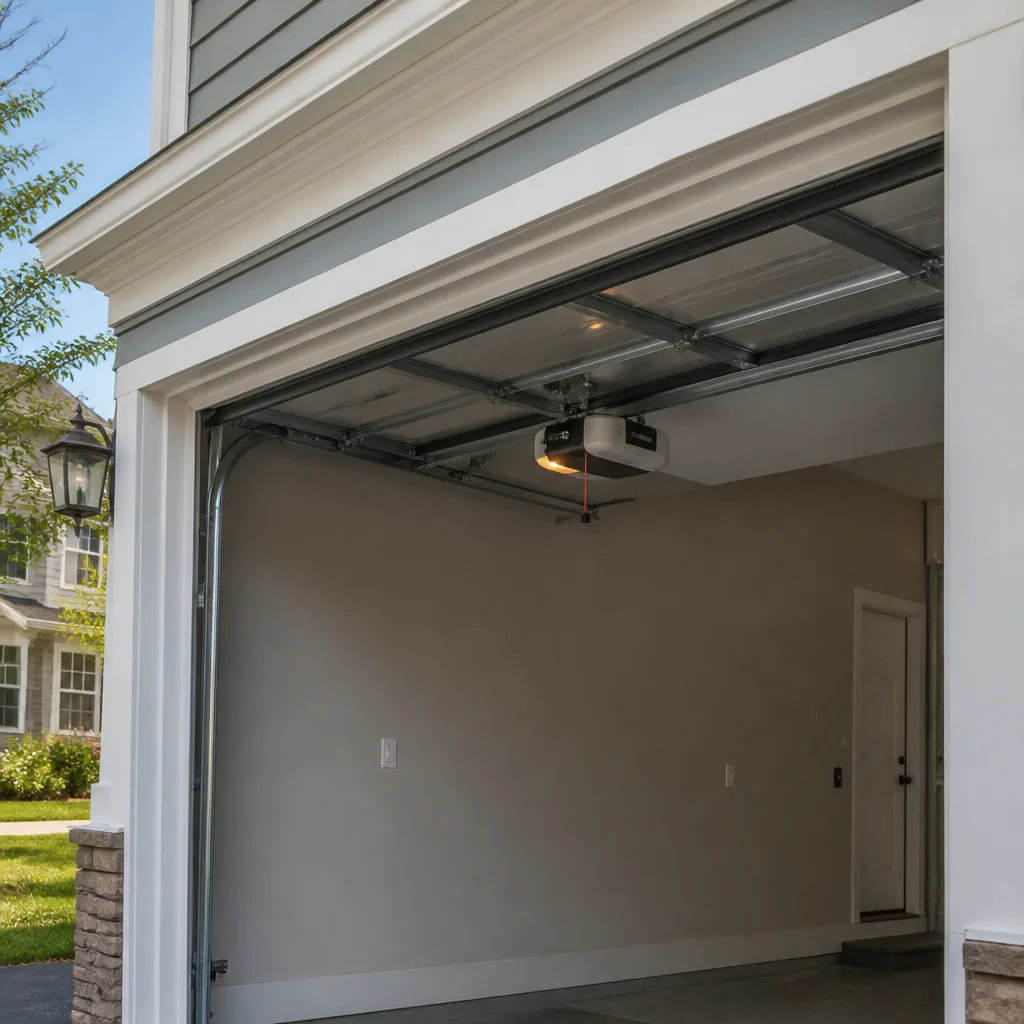 LiftMaster openers
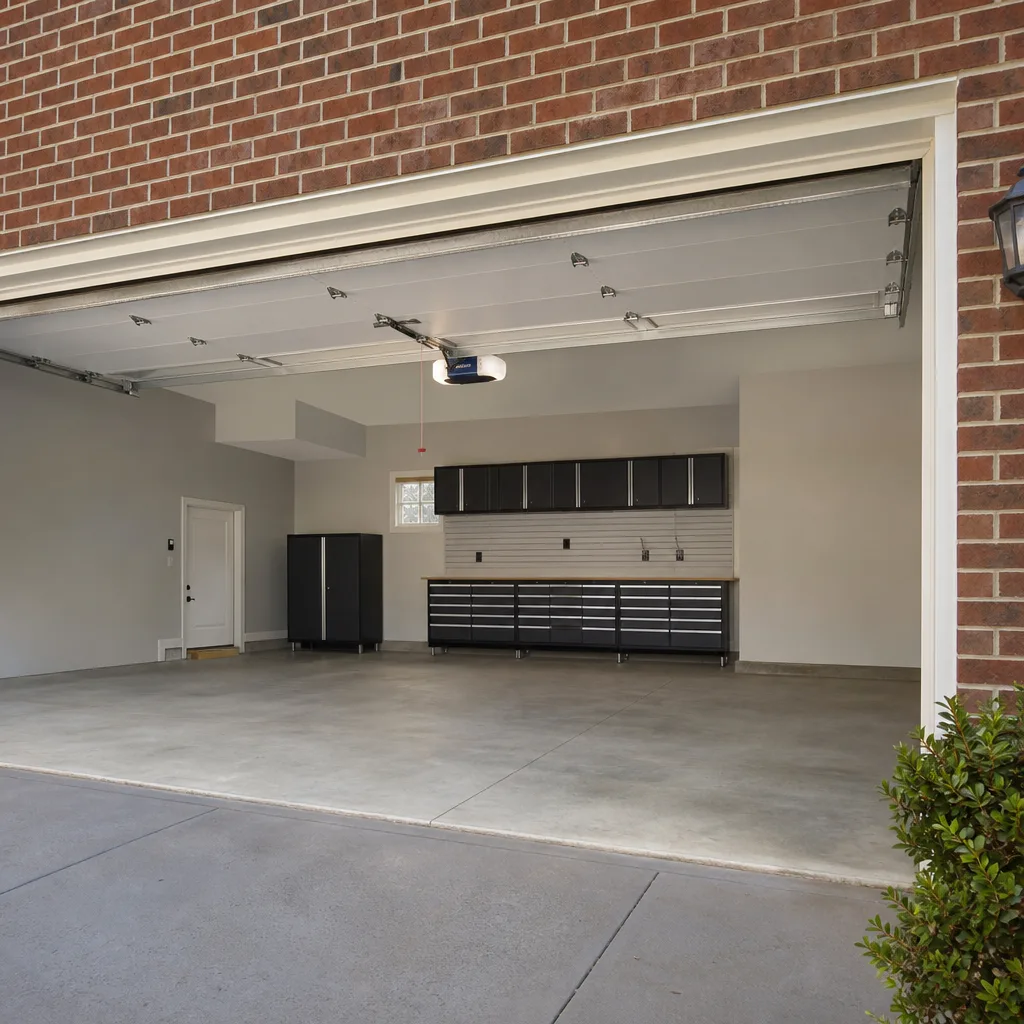 Chamberlain openers
Full 25-point door and opener safety check with every visit - springs, cables, rollers, tracks, and your LiftMaster or Chamberlain opener included
You get a price before we start. It does not change when the truck arrives.
Get your free estimateGarage Door Repair Maintenance Checklist for Henderson Homeowners
Most garage door maintenance advice circulating online was written for places with four seasons, snow, and freeze-thaw cycles. Henderson doesn’t work that way. Here, the failure sequence runs heat-first: dry summer air bakes the grease out of bearings, UV breaks down weather seals years before national product ratings suggest, and torsion springs lose tension faster than manufacturers’ textbook timelines predict. This checklist is built around that Henderson-specific reality. You’ll learn what to check, what to lube, what to leave alone, and how to catch a $280 spring before it becomes a $680 spring-and-cable replacement.
Quick Answer
A garage door maintenance checklist for Henderson homeowners should run twice a year: once in mid-February before the heat arrives, and once in late October before overnight temps swing. The critical tasks are lubricating the rollers, hinges, and bearing plates with a silicone or lithium-based product rated above 100°F; testing the manual balance of the door; inspecting weather seals for UV cracking along the bottom and sides; and tightening any loose hardware. Skip petroleum-based sprays. They attract desert grit and bake into a grinding paste within eight weeks. Homeowners should handle lubrication, seal inspection, and hardware tightening themselves. Spring adjustment, cable inspection, and opener force recalibration belong to a trained technician offering Garage Door Repair services.
Styles & brands we work with
Table of Contents
- Why Henderson’s Climate Demands a Different Checklist
- The Task-by-Task Henderson Maintenance Checklist
- Product Guide: What Holds Up Above 100°F and What Doesn’t
- The 90-Second Manual Balance Test
- Inspecting Weather Seals for UV Cracking
- Owner-Serviceable vs. Technician-Only Tasks
- Common Mistakes to Avoid
- When to Call a Professional
- Frequently Asked Questions
Why Henderson’s Climate Demands a Different Checklist
Henderson sees between 110 and 120 days a year above 90°F, with summer spikes that regularly clear 110°F. Inside a closed garage, the air temperature can run 15 to 25 degrees hotter than the outside reading. That means your door hardware sits in a 120°F to 135°F environment for four to five straight months. Grease chemically degrades at those temperatures. Rubber compounds oxidize faster. Metal expands and contracts daily, loosening bolts and shifting brackets.
The standard national maintenance calendar says to lube your door in spring and fall, check the seals when leaves drop, and watch for rust after snowmelt. In Henderson, the calendar is different. Pre-summer heat prep is the critical window, not fall. By the time October arrives, the damage from a hot summer is already done. You can still run maintenance then, but it is a patch job, not prevention.
We’ve worked on doors in Green Valley, Anthem, Lake Las Vegas, and Old Henderson. The pattern is consistent. Doors that receive lubrication in February or early March sail through summer quietly. Doors that skip it show up on our schedule in July and August with screeching rollers, stiff hinges, and tired springs, all Garage Door Warning Signs: A Henderson Homeowner’s Reference Guide readers will recognize. The preventive fix takes forty-five minutes. The reactive repair takes a service call, a paid diagnosis, and often a spring or cable replacement.
If you only do one maintenance session a year, do it in mid-February. If you do two, the second belongs in late October to clean off accumulated grit and refresh seals before the cooler months tighten metal tolerances.
The Task-by-Task Henderson Maintenance Checklist
This list assumes a standard sectional overhead door made by one of the major manufacturers: Chamberlain, Genie, Clopay, or Amarr equipment is most common in Henderson. Run through the checklist top to bottom. Expect the full routine to take about forty-five minutes, with ten minutes of that spent gathering tools and a step stool.
- Close the door and disconnect the opener. Pull the red emergency release cord hanging from the opener rail. This puts the door in manual mode so you can work on it safely and run the balance test later.
- Visually inspect all rollers from top to bottom. Look for cracked nylon wheels, flat spots, or gaps between the wheel and the stem. Rollers with visible wear need replacement. Worn rollers make the whole door work harder, which accelerates spring fatigue.
- Check all hinges and brackets for tightness. Use a 7/16-inch deep socket on the hinge bolts and a 9/16-inch on the track brackets. A loose hinge lets the door rack slightly in the track. That uneven drag is exactly what kills springs early.
- Lubricate the rollers, hinges, and bearing plates. Use a silicone spray or white lithium grease that explicitly states a working range above 100°F. Spray the roller stems where they enter the hinge, the hinge pivot points, and the bearing plates above the torsion tube. Wipe away any overspray or drips.
- Run the 90-second balance test described below. This is your early warning system for spring wear. Do it every maintenance session, no exceptions.
- Inspect the bottom weather seal and side seals. Look for cracks, flat compression, or gaps visible from inside a closed door. Henderson’s UV load cracks seals fast. Replace any seal showing visible brittleness.
- Tighten the track mounting bolts. Use a flat-head screwdriver or socket on the bolts holding the vertical and horizontal tracks to the wall and ceiling brackets. Do not over-tighten. Just remove any play.
- Reconnect the opener and test both the opening and closing force. The door should reverse when it meets an obstruction. If your opener is older or lacks a safety reversal confirmation step, that is a technician call, not a DIY fix.
- Wipe down the photo-eye sensors. Use a dry microfiber cloth on both sensor lenses near the bottom of each track. Dust and spider webs are a leading cause of phantom opener problems in Henderson garages.
This list will catch most common problems before they strand a door. The balance test is the highest-value item. Spring wear is progressive, and by the time you hear a loud bang or the door opens lopsided, you are already in replacement territory.
Product Guide: What Holds Up Above 100°F and What Doesn’t
Henderson heat is brutal on lubricants. The wrong product attracts dust, breaks down into varnish, or dries out entirely. Three product categories matter, and the labels rarely tell the full story.
What to use on rollers and hinges
- Silicone spray with a stated temperature range above 100°F. Silicone is clean, dry, and does not attract grit. It penetrates tight clearances well and resists breakdown in high heat. Reapply every four to six months in Henderson conditions.
- White lithium grease in a spray can. This is thicker than silicone and stays on the hinge pivot longer. Good for bearing plates and heavy contact points. Avoid the heavy grease tubs. They pick up desert dust fast.
- Teflon-based dry lubricants. Workable, but they do not last as long in continuous heat. Use them only if you are willing to re-lube more often.
Several “garage door lubricants” sold at local big-box stores are petroleum-based formulas that claim to be door-safe. The problem in Henderson is heat. Petroleum lubricants thin out at sustained temperatures above 110°F, drip onto the door face, and leave a sticky film that traps grit from every wind event. Within eight weeks, that film turns into a grinding paste on the roller stems. The door gets louder, the rollers wear faster, and the opener motor strains harder. The fix costs more than the lube tube saved.
Your easiest check: if the label does not clearly say “silicone,” “lithium,” or “dry” on the front, leave it on the shelf.
What to use on the torsion spring
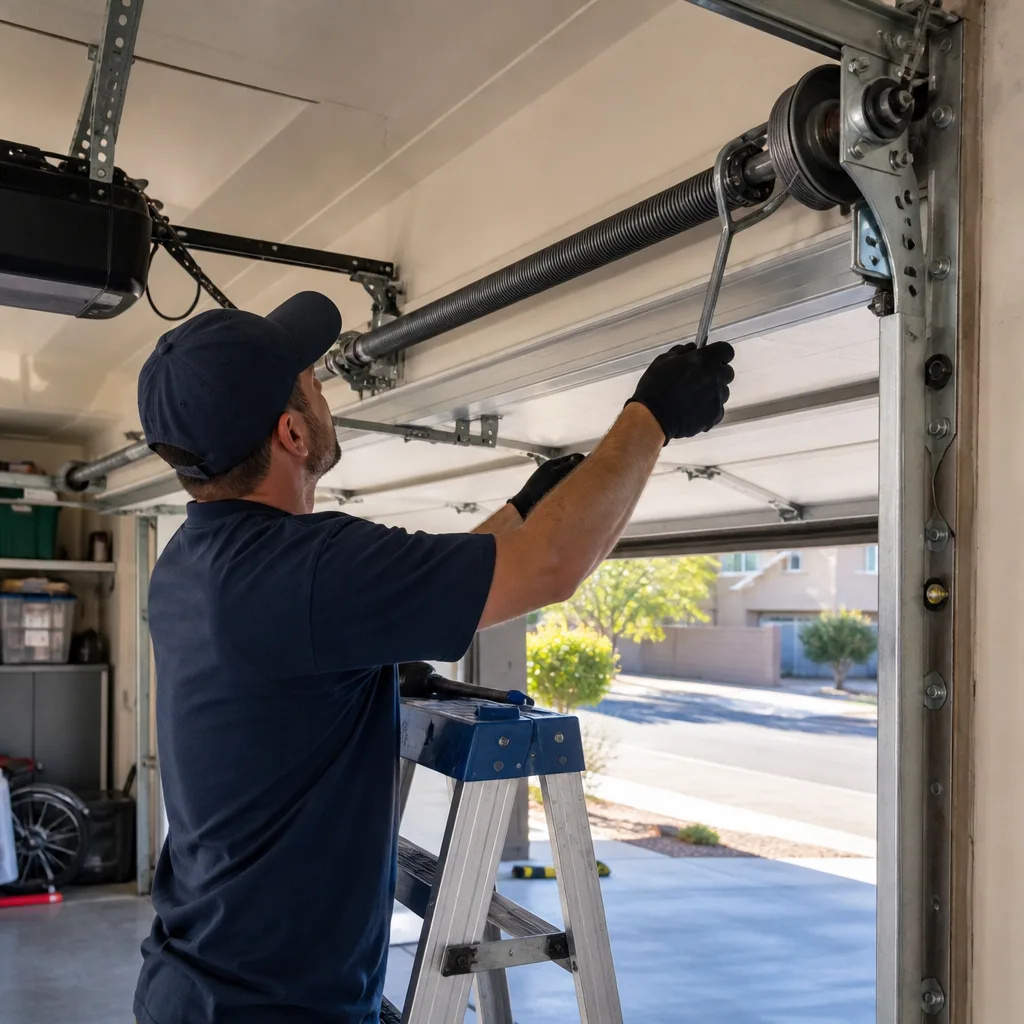
The torsion spring, the thick coiled spring mounted above the door that bears most of the lifting load, needs periodic lubrication on its surface. Use the same silicone spray as the rollers. Coat the full length of the spring lightly, including the gaps between coils. Do this during both maintenance sessions. A spring that squeaks is a spring wearing against itself. Noise is the first sign of fatigue, and the balance test picks up that fatigue even before the noise is obvious.
Do not spray lubricant on the opener rail. The rail should be clean and dry. If you have a belt drive, leaving the belt dry is correct. If you have a screw drive, use the grease specified by the opener manufacturer only.
What to use on weather seals
Seals do not get lubricated. They get inspected and, when cracked, replaced. Applying any lubricant to a rubber seal accelerates oxidation. Silicone-based rubber protectants are occasionally marketed for seals, and in the Nevada sun they break down into a gummy film that cracks faster. The correct maintenance for a UV-degraded seal is replacement.
The 90-Second Manual Balance Test
This single test is the closest thing to a crystal ball you have for your door’s health. It measures the spring’s remaining lifting capacity. A properly balanced door feels nearly weightless. A door with a tired spring feels heavy and drifts shut when you let go. That drift is your early warning.
Here is the procedure. Do this once every maintenance session, and also any time the door starts feeling heavier or noisier.
- Close the door and pull the red emergency release cord. The door is now in manual mode.
- Lift the door by its handle or bottom edge to roughly waist height, around three feet off the ground.
- Let go. The door should stay in place, not move more than an inch up or down.
- Lift the door to about shoulder height and release again. Same expectation. Minimal movement.
- If the door drops more than a couple of inches, the spring is losing tension.
- If the door rises on its own, the spring is over-tensioned, which also causes wear.
- If the door feels heavy and hard to lift at any point, stop the test and call a technician.
In Henderson, we see springs that pass the balance test in February and fail by June. Heat accelerates spring fatigue. Two balance tests a year are not enough if your garage faces west and bakes all afternoon. Three tests a season cost you ten minutes total. A broken spring costs $280 to $460 when it fails alone, and more when it takes a cable with it.
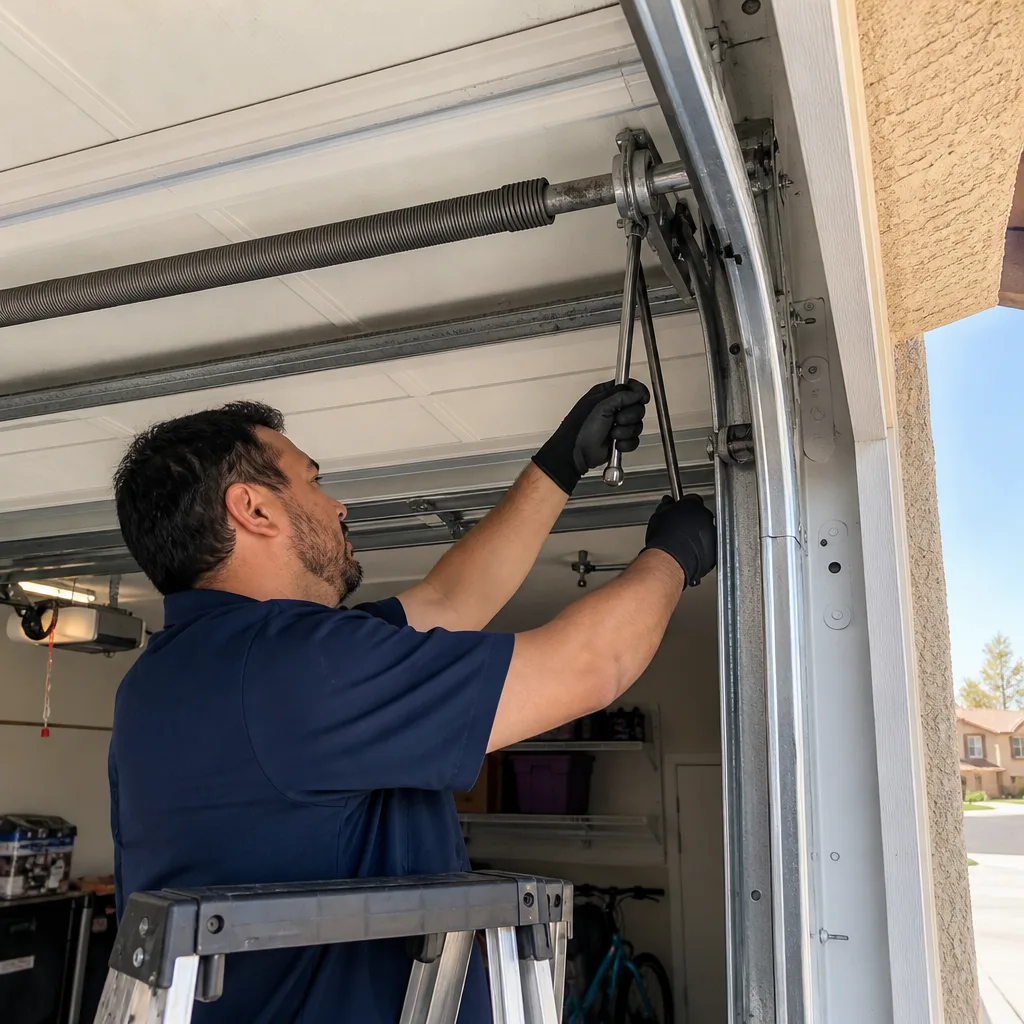
Spring adjustment is not a homeowner task. The torsion spring is wound under enormous tension, and the winding procedure requires specific bars, specific body position, and an understanding of how that energy releases if a bar slips. We treat spring work as technician-only, no exceptions. You can, however, run the balance test any time you like, and doing so gives you a cleaner, safer conversation with any company you call. Read more about what spring and cable repair in Henderson actually involves before you decide.
Inspecting Weather Seals for UV Cracking
Henderson’s UV index runs high or extreme for most of the year, and it destroys weather seals two to three times faster than the replacement intervals printed in most national product literature. A bottom seal rated for seven years in a typical Midwestern garage lasts two to three summers in Henderson.
The bottom seal is the long rubber or vinyl strip running along the bottom edge of the door. The side seals, or weatherstripping, run along the vertical edges of the opening. All of them block dust, insects, and hot outside air. In Henderson, seal failure also lets in blown sand, scorpions, and the heat that pushes your garage’s internal temperature even higher.
Run this inspection twice a year, and also after any big wind event:
- Run your hand along the bottom seal’s entire length. Press lightly. Cracks that open under pressure mean the material has lost flexibility. That seal is done.
- Look for flat compression. A healthy seal is rounded where it meets the floor. Once it flattens, it stops sealing. Light gaps under a closed door are another sign.
- Check the side seals for chalky or brittle texture. UV exposure makes PVC and rubber both turn brittle. If a seal snaps or crumbles when flexed between your fingers, it is not performing.
- Look for gaps at the seal joints. The corners where bottom and side seals meet are failure points. If you see daylight or feel a draft, replace the affected strip.
Replacement seals run $15 to $45 in Henderson hardware stores and most brands, including Clopay and Amarr doors, use standard T-style or bead-mount channels. The job is owner-serviceable for the bottom seal if the old one slides out easily. Side seal replacement is trickier because it often requires partial removal of the track and is better left to a technician if you’re unsure; see How to Hire a Garage Door Contractor in Henderson: A Step-by-Step Guide for guidance. Seals are not expensive to replace through a company, and a failed seal can raise your cooling costs for the whole house if your garage shares a wall with conditioned space.
Owner-Serviceable vs. Technician-Only Tasks
This section matters. A surprisingly high number of garage door injuries start with a homeowner working on a part that looks simple but carries stored energy. The line between what you should touch and what you shouldn’t is clear. Here it is.
Owner-serviceable tasks:
- Lubricating rollers, hinges, and the torsion spring surface with the correct product.
- Tightening hinge bolts, track bolts, and bracket hardware.
- Inspecting and replacing the bottom weather seal if it slides into a standard channel.
- Cleaning photo-eye sensor lenses with a dry cloth.
- Running the manual balance test described above.
- Wiping down the door surface and tracks with a dry rag.
Technician-only tasks:
- Adjusting, replacing, or installing torsion springs. Springs are wound under enough tension to break bone. We never recommend a homeowner attempt this.
- Adjusting or replacing cables. Cables run along the sides of the door and carry spring tension when the door moves. A slack cable tells you something has already gone wrong with the spring system. Let a technician diagnose it.
- Adjusting opener force settings and travel limits. Force settings control the opener’s reversal behavior, and incorrect settings can leave a door that won’t reverse on obstruction. Opener repair is not a maintenance task.
- Replacing or realigning tracks. A track that has shifted or pulled away from the wall changes how the door loads the springs. Bent or misaligned track work requires specific tools and a careful re-hang.
- Any work involving the door’s high-tension components after an impact. If a car bumper has hit the bottom panel or a child has run a bike into the track, have the door inspected before using the opener.
The safety rule is simple. Any part that carries tension or stores energy is not a maintenance task. Lubrication, inspection, tightening, cleaning, and seal checks are yours. Spring, cable, and opener internal work belong to someone who does this every day. A trained technician should also handle any opener repair in Henderson that involves wiring or force adjustment.
Common Mistakes to Avoid
- Using WD-40 on the door. WD-40 is a solvent and water displacer, not a lubricant. It strips away existing lubricant and leaves a wet film that attracts grit. In Henderson dust conditions, a WD-40’d door is screeching again in two weeks.
- Lubricating the opener rail or belt. Belt-driven openers run dry by design. Spraying the belt causes slipping and uneven travel. A screw-drive rail needs only the grease specified by the manufacturer, applied sparingly.
- Testing the balance with the opener still connected. The opener applies its own force, so you are not measuring the spring at all. Always pull the red release cord before any balance test.
- Ignoring a noisy door because it has always made that sound. Noise is the first warning sign of spring wear, dry rollers, or a failing opener gear. Every garage door in Henderson should run quiet enough to have a conversation next to it. If it doesn’t, find out why.
- Replacing seals only when they visibly shred. By the time a bottom seal tears, it has been underperforming for months. Cracking, brittleness, and flat compression are replacement triggers too.
- Adjusting springs by feel or by watching a video. Torsion spring adjustment has a specific sequence and requires winding bars. Getting it wrong can throw the door violently off balance. This has put people in local emergency rooms. Leave it to a tech.
- Skipping maintenance because the opener has a battery backup. The opener doesn’t reduce mechanical load, and a battery backup won’t help when a tired spring snaps on the hottest day of the year. Maintenance extends spring and cable life. Opener features don’t.
When to Call a Professional
Call a professional the moment you notice a door that feels heavy in manual mode, a spring that shows a visible gap in its coils, a cable that looks frayed or slack, or an opener that trips its reversal unexpectedly. These are not tuning problems. They are structural failures announcing themselves. The same applies if your door has been hit by a car, a child’s bike, or a runaway garbage can: have it inspected before running the opener again.
We tell Henderson homeowners this: a repair that costs $300 caught early stays a $300 repair. The same part allowed to fail completely usually takes something else with it, and the total lands between $500 and $800. Brock Garage Doors Henderson offers free estimates in Henderson. Call (775) 458-8864 and a live person will pick up, day or night. For a clear picture of what garage door repair in Henderson typically costs, read our service page before you call. Our team at Brock Garage Doors Henderson home office works on all major brands and gives you a written price before any work starts.
Frequently Asked Questions
Torsion springs on a standard Henderson door typically last 7 to 9 years, but the heat here can shorten that to 5 to 7 years on west-facing garages or doors used more than four times daily. The balance test catches spring wear early. If your door drifts downward when opened manually to waist height, the spring is already losing tension and should be measured by a technician before it snaps. Call (775) 458-8864 for a free spring assessment in Henderson.
A silicone spray or white lithium grease rated for continuous temperatures above 100°F is the correct choice for Henderson conditions. Silicone is preferred for rollers and hinges because it stays clean in dusty conditions. Avoid petroleum-based sprays and the generic big-box “garage door lubricants” that thin out and attract grit in heat. Apply the lubricant to the roller stems, hinge pivots, and along the torsion spring surface every four to six months.
You can, but July maintenance is corrective, not preventive. The critical window in Henderson is mid-February through early March, before the sustained heat arrives. Once July temperatures bake your hardware for several weeks, any grease that was going to break down already has. Do your main session in February, and if you want a second pass, schedule it for late October. If you’re only doing one, February is the one.
Heat makes metal expand, which tightens clearances between rollers and track. When those parts are also under-lubricated, the friction noise gets noticeably worse in Henderson’s hot months. The noise is the first sign that the lubrication has broken down or that the spring is losing its smooth travel. A quick silicone application on the roller stems and hinges usually quiets it. If the noise persists, the spring may be the cause and a technician should evaluate it.
No. At Brock Garage Doors Henderson, the price is quoted in writing before any work starts, and the number on the invoice matches the number you approved. The written quote covers all labor and parts for the repair. If we find additional work during the job that’s outside the original quote, we stop and get your written approval before adding anything. The quote is free, and so is the second visit under our 365-day guarantee if a covered repair fails within the year. Call (775) 458-8864 for a no-cost written estimate.
A do-it-yourself lubrication and inspection session costs $8 to $18 in materials and about forty-five minutes of your time twice a year. The repairs that maintenance prevents run much higher. A broken spring replacement in Henderson typically runs $280 to $460. A spring that also damages a cable pushes the job to $400 to $600. A full roller replacement on a double door runs $150 to $220. The maintenance math is obvious. You can also call (775) 458-8864 and ask us to perform a maintenance pass for you, and we’ll give you a written price before any work begins.
The Bottom Line
Henderson’s garage doors fail differently than doors in colder climates. Heat and UV break down lubricants and seals faster, and the failure sequence starts with dry rollers, moving to tired springs, and ending with cables and openers under stress. The twice-yearly maintenance session described here costs you less than twenty dollars and under an hour each time. The 90-second balance test is your best early warning system. Run it in February, run it in October, and run it anytime the door starts feeling heavy or loud. Catch the problem early and you’ll spend $280 on a spring instead of $680 on a spring, cable, and emergency opener call. For more guides & resources on keeping your door running smoothly, explore our blog. If you would rather have a professional handle the maintenance, Brock Garage Doors Henderson serves the entire Henderson area with written prices and a one-year guarantee on every repair. Call (775) 458-8864 anytime, day or night, and a live person will answer.
Written by Wade Mercer, Owner at Brock Garage Doors Henderson, serving Henderson since 2001.
See the difference
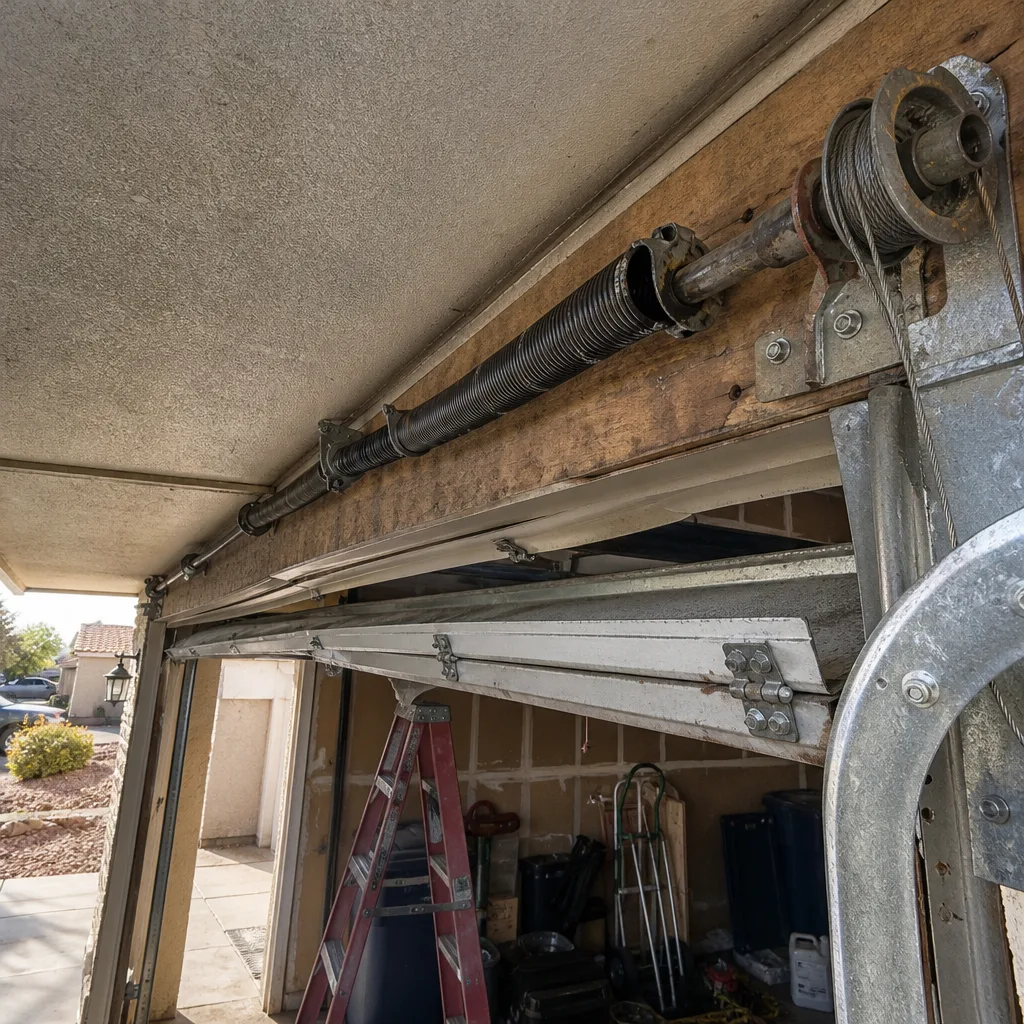 Before
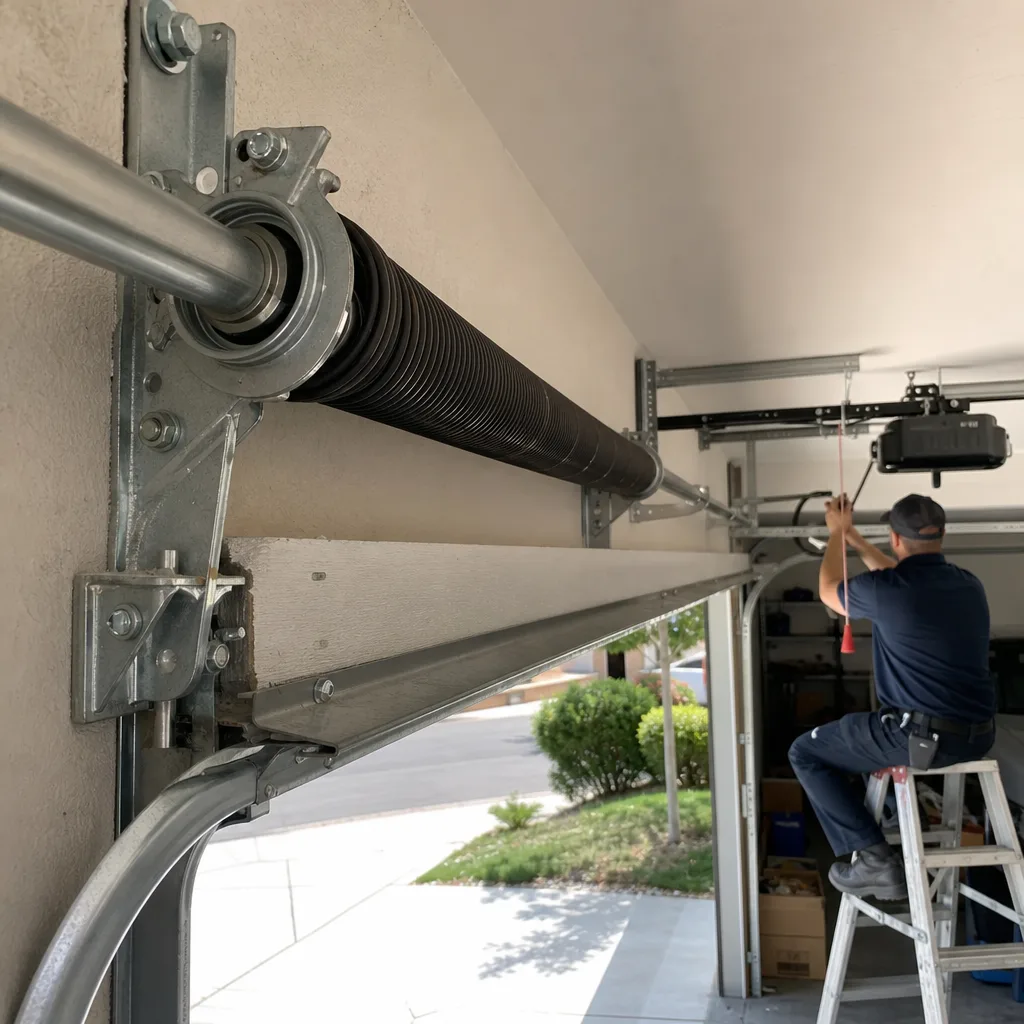 After
After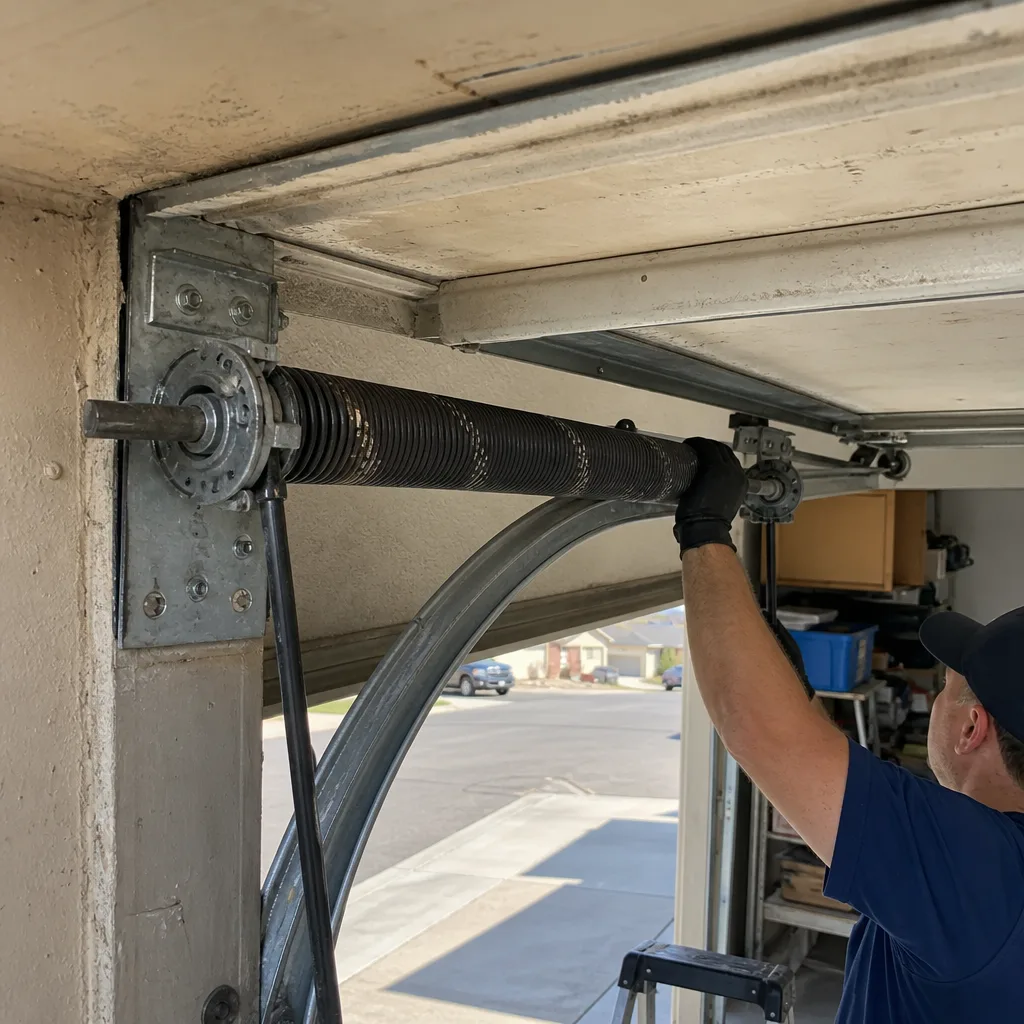 Before
 After
After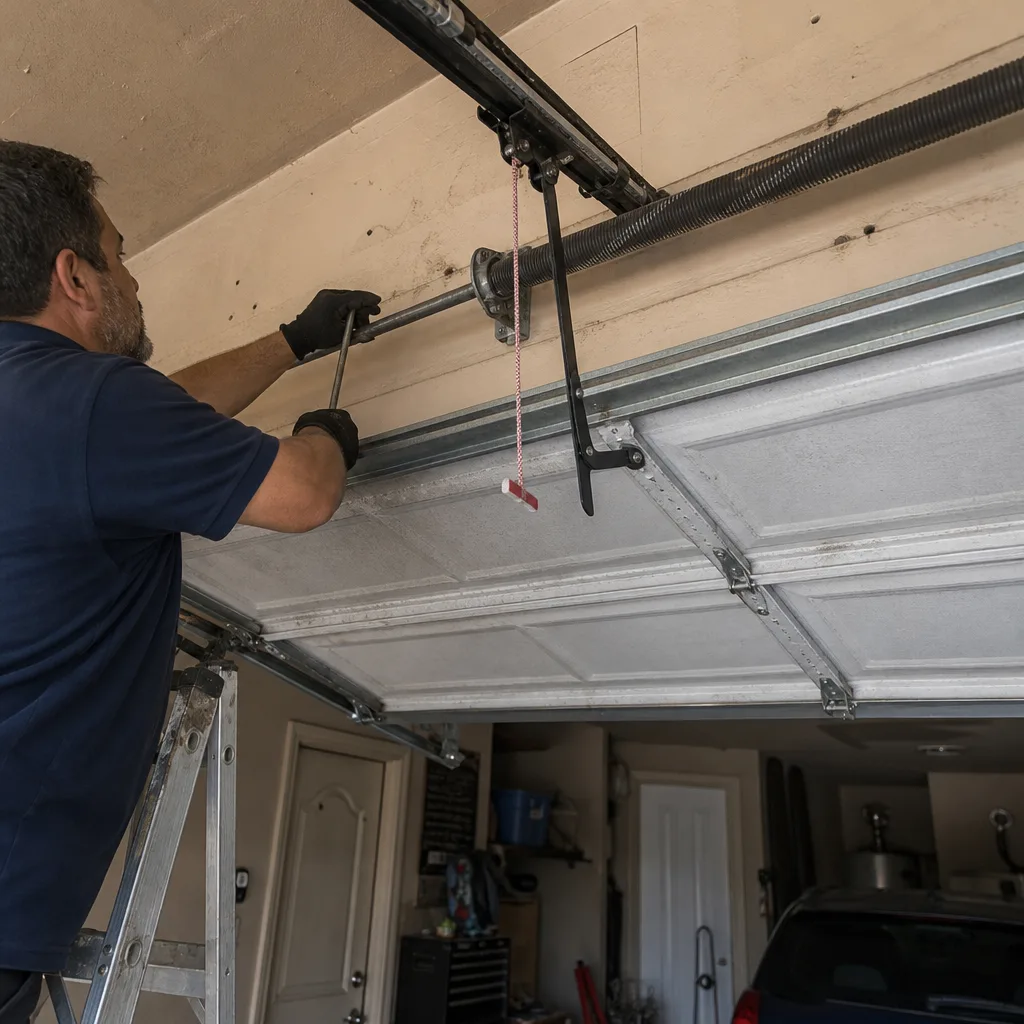 Before
 After
After