
Last updated October 16, 2026
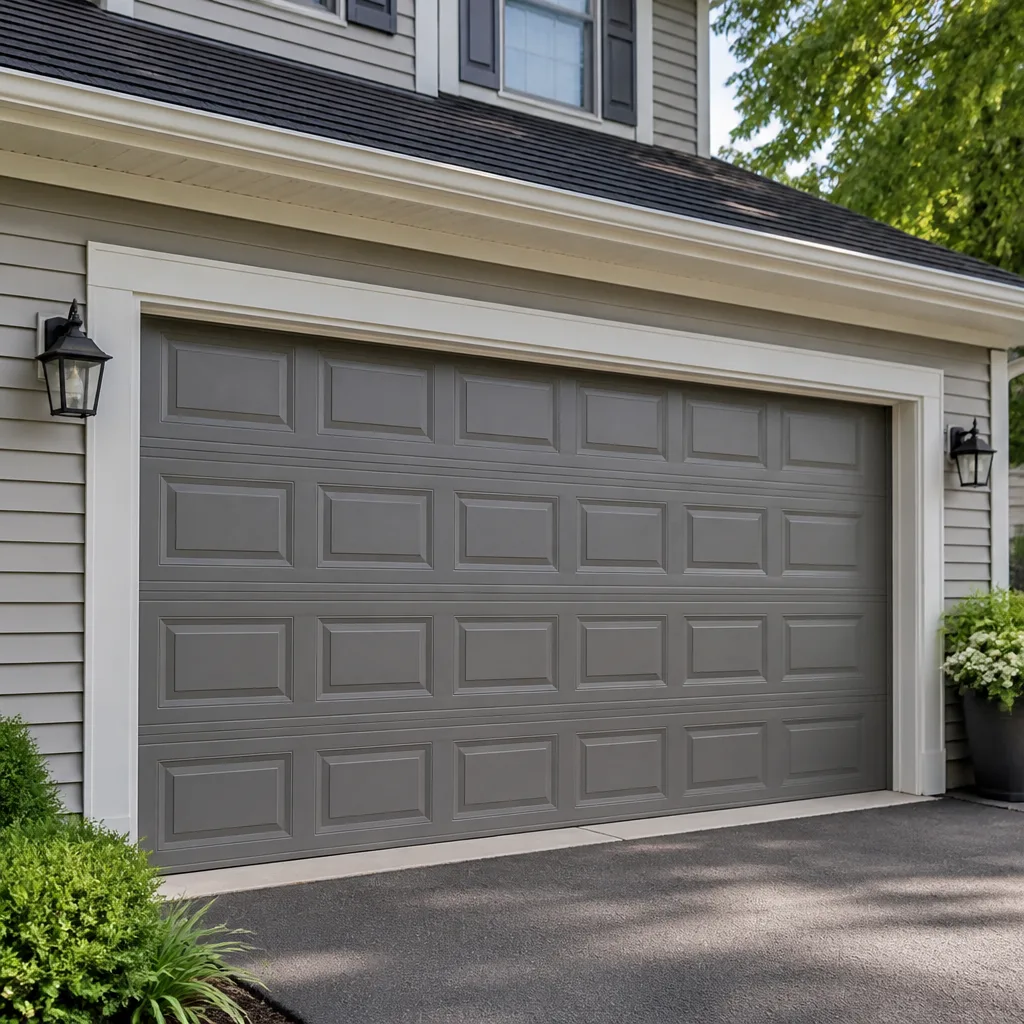 Raised-panel steel
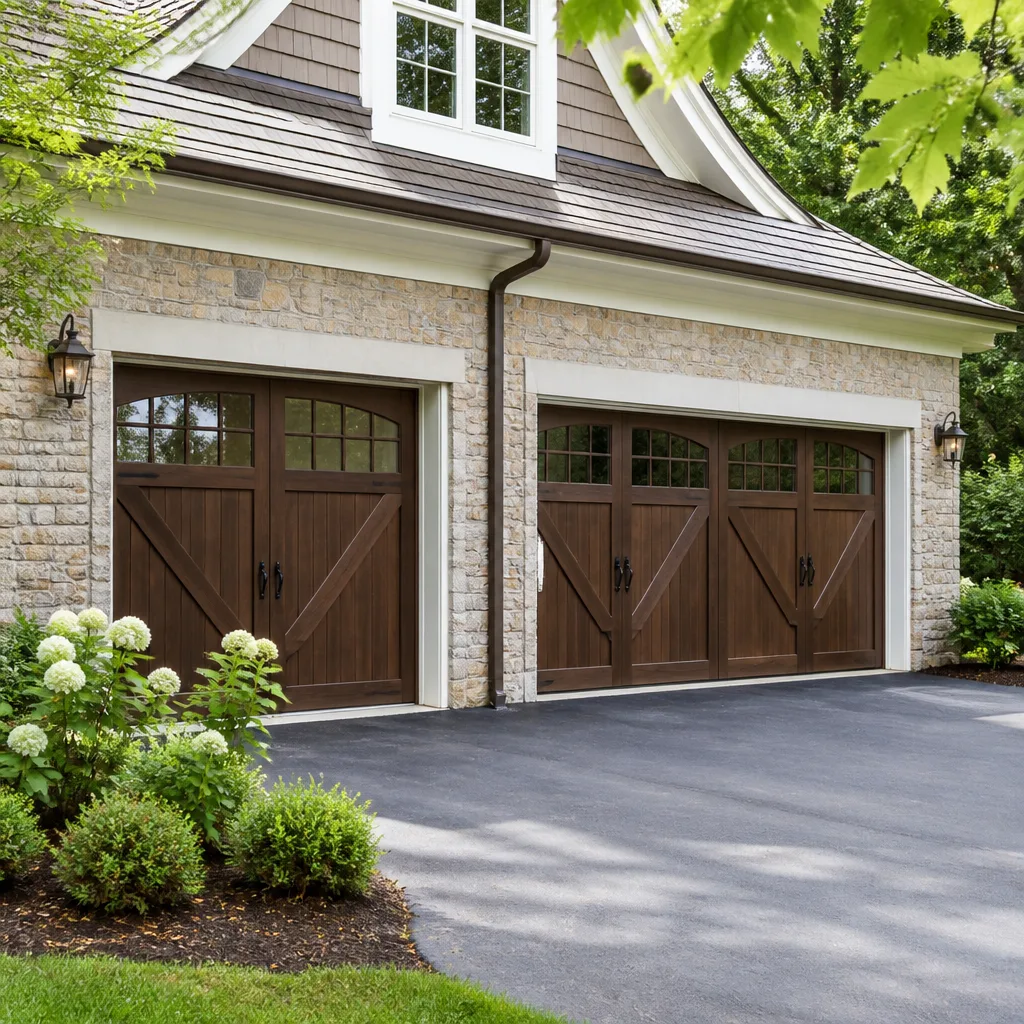 Carriage house
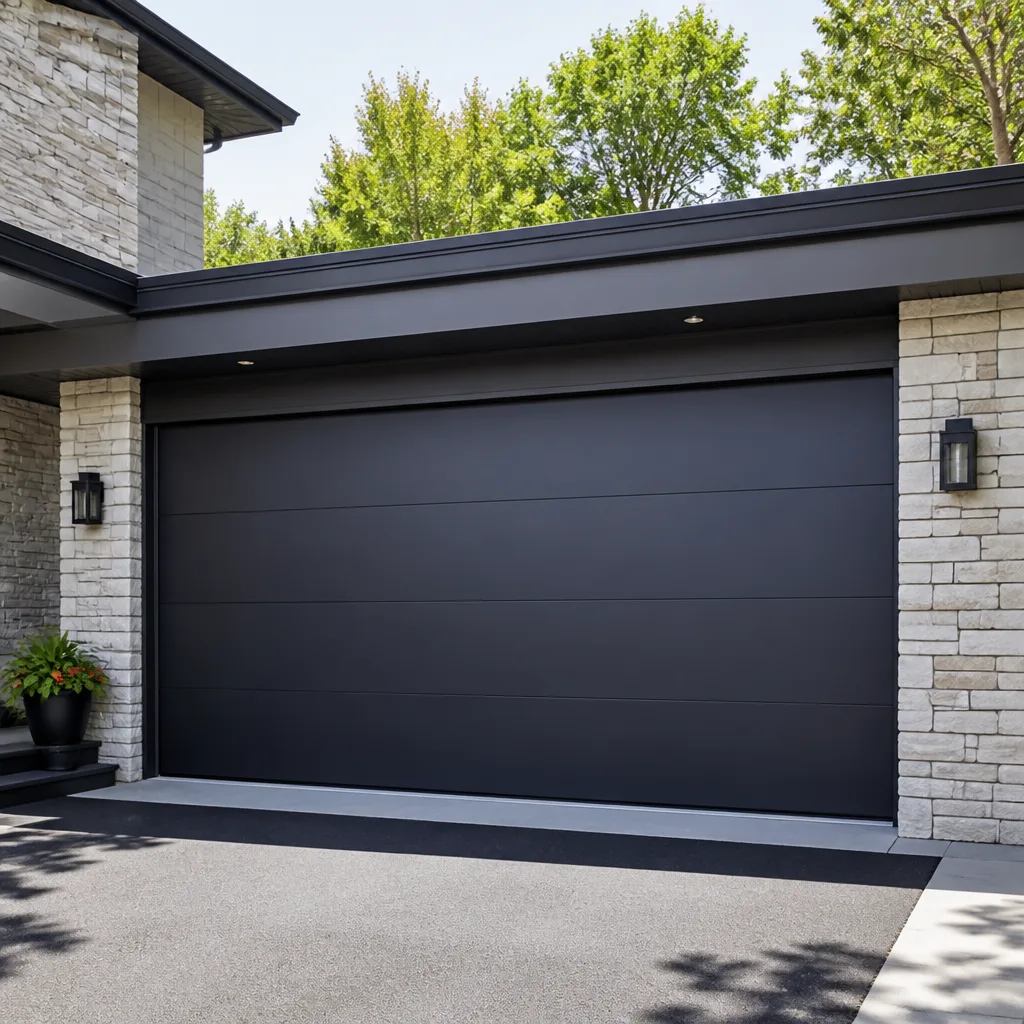 Modern flush
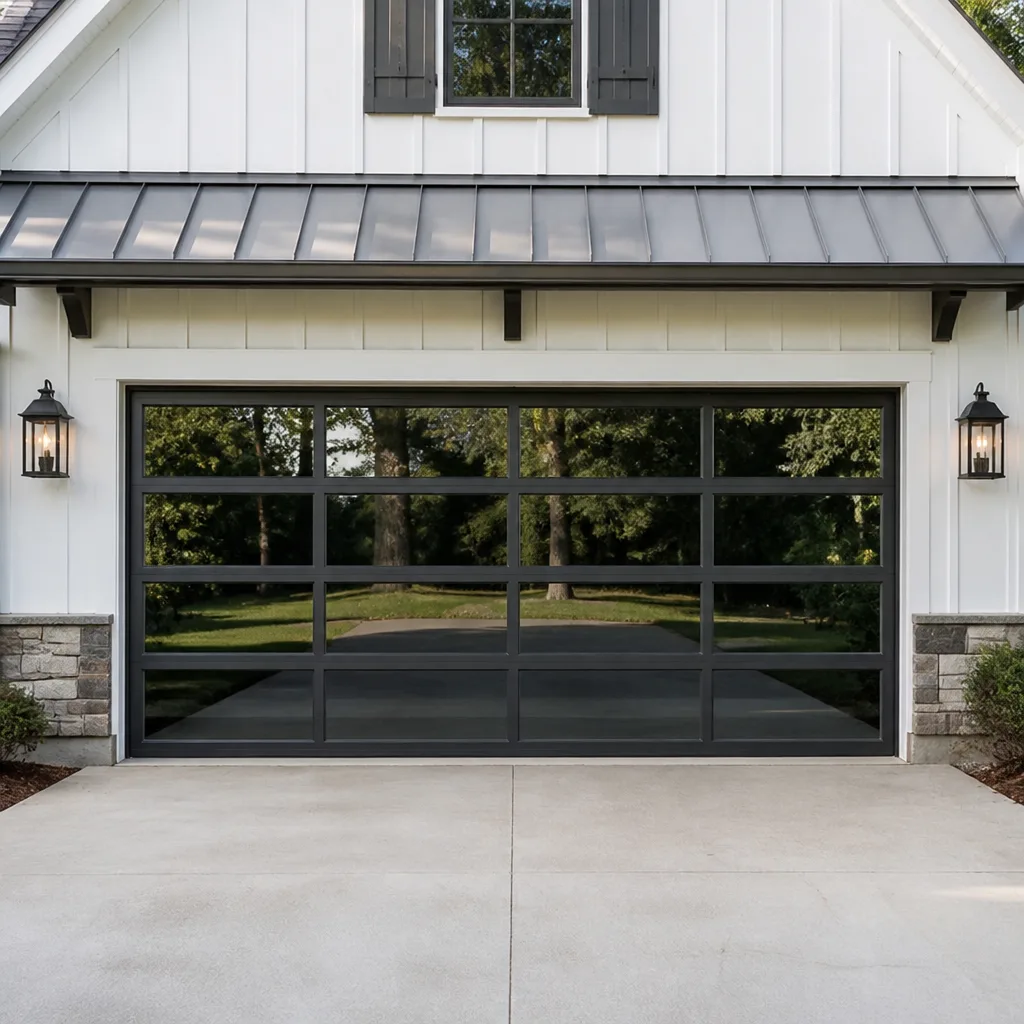 Full-view glass
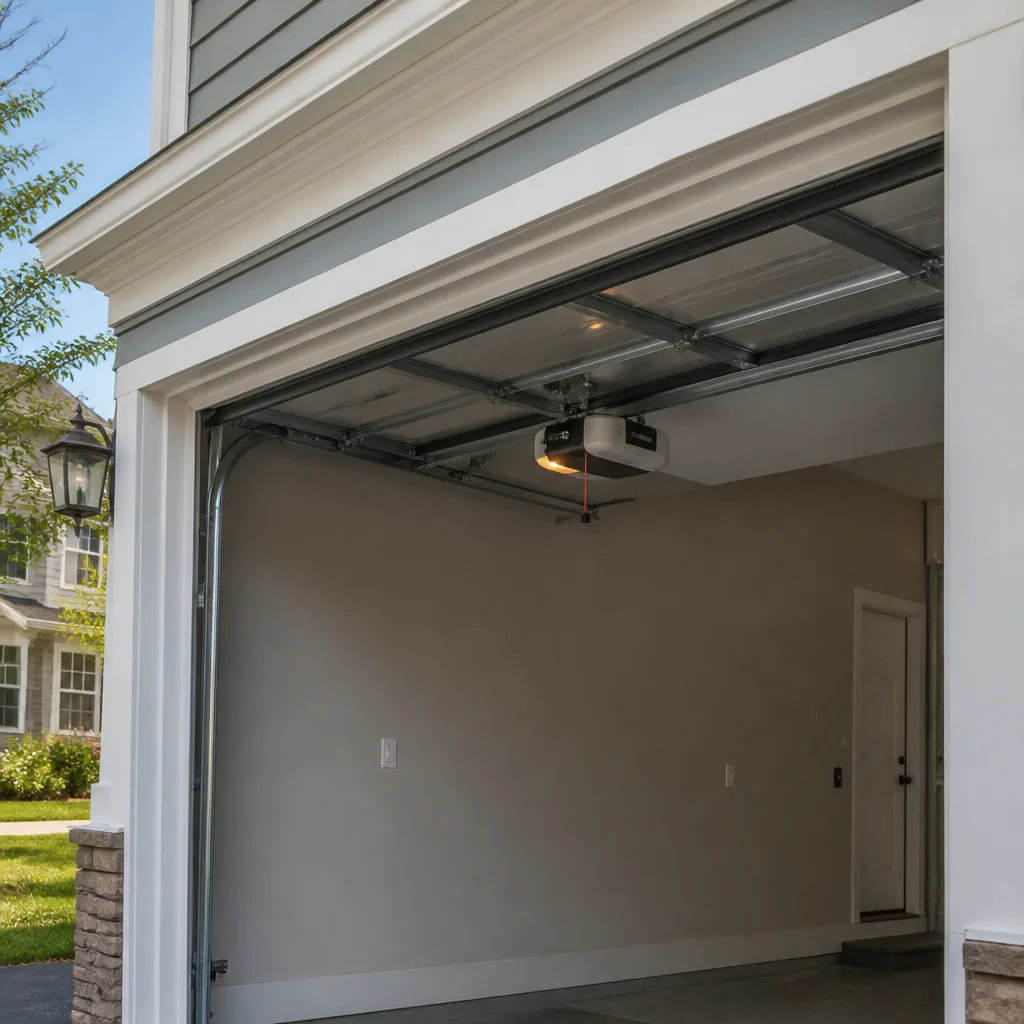 LiftMaster openers
 Chamberlain openers
Full 25-point door and opener safety check with every visit - springs, cables, rollers, tracks, and your LiftMaster or Chamberlain opener included
You get a price before we start. It does not change when the truck arrives.
Get your free estimateSeasonal Garage Door Care for Henderson: Year-Round Homeowner’s Guide
Most Henderson homeowners believe garage door springs fail when it gets cold. The data from our service records tells a different story. The month we replace the most torsion springs in Henderson is October, and the reason traces back to June, July, and August. Sustained desert heat changes the molecular behavior of spring steel. It doesn’t snap the spring that day. It plants the crack. Then, when routines shift in fall and the door starts cycling four or five times a day instead of twice, that crack propagates and the spring lets go. This guide explains the two-season reality of garage door care in Henderson, what to do before the heat arrives, what to inspect after it breaks, and which tasks you can handle yourself versus which ones belong to a trained professional. For a deeper dive, see our DIY vs Professional Garage Door: The Henderson Homeowner’s Decision Guide.
Styles & brands we work with
Quick Answer
Henderson garage door care works on a two-phase calendar, not four seasons. You harden the door in April before the sustained heat hits, and you complete a damage assessment in October after the summer stress has done its work. The two highest-value maintenance tasks in Henderson are heat-related torsion spring inspection and monsoon-season bottom seal replacement. For comprehensive coverage of everything Henderson homeowners need to know, see The Complete Guide to Garage Door in Henderson. A spring adjusted correctly in February can be dangerously out of spec by July because heat changes the steel’s tension calibration, and that is a repair a professional should handle.
Table of Contents
- The Two-Phase Reality of Henderson Garage Doors
- Pre-Summer Hardening: What to Do in April
- How Desert Heat Changes Torsion Spring Tension
- Monsoon Season and Weather Seal Failure
- Garage Interior Heat and Opener Motor Lifespan
- The Post-Summer 15-Minute Visual Inspection
- Common Mistakes to Avoid
- When to Call a Professional
- Frequently Asked Questions
- The Bottom Line
The Two-Phase Reality of Henderson Garage Doors
Henderson doesn’t get a freeze-thaw cycle that cracks concrete and corrodes hardware the way Salt Lake City or Denver does. What Henderson gets is worse in one specific way: the heat never lets up. From mid-May through late September, the ambient temperature inside an uninsulated garage in neighborhoods like Green Valley Ranch, Anthem, or Inspirada routinely exceeds 120°F. That sustained thermal load does not announce itself. It works quietly on springs, cables, rollers, and seals, and the damage shows up months after the peak.
This is why we break Henderson garage door maintenance into two phases. Phase one happens in April, before the first sustained 100°F week. You inspect, lubricate, clean, and adjust. Phase two happens in October, after the heat has done whatever damage it is going to do and before the holiday season increases door cycling. In our experience in Brock Garage Doors Henderson home service area, the homeowner who runs both phases each year rarely pays for an emergency repair. The homeowner who skips both phases becomes our customer at the worst possible time.
Why Traditional Four-Season Advice Misses the Point
Most garage door care guides are written for climates with real winters. They talk about ice dams on weather seals, frozen tracks, and lubricant thickening in January. None of that applies to Henderson. Our winter lows are mild enough that lubricant stays fluid and tracks never ice over. The failure modes here are distinct: heat fatigue on metal components, UV degradation on synthetic seals, and dust accumulation that accelerates wear on moving parts. Henderson is a desert climate. The maintenance strategy has to be a desert strategy.
If you only remember one concept from this guide, make it this: in Henderson, summer is the season that breaks things and fall is the season that reveals the break. Plan your maintenance around those two moments and the rest of the year takes care of itself.
Pre-Summer Hardening: What to Do in April
April is the critical month in Henderson. The daytime highs are still reasonable, typically in the 80s, and you can work in the garage without heat exhaustion. It is also the last window before the sustained thermal stress begins. Here is the pre-summer hardening sequence we recommend, in order of priority:
- Listen to the door during a full cycle. Open and close it once. You want a fairly quiet, smooth movement. Grinding, squealing, or rattling means metal is contacting metal somewhere it shouldn’t be. Address it now, before heat makes the components expand and the contact gets worse.
- Check the balance manually. Pull the emergency release handle (usually a red cord) and lift the door by hand to about waist height, then release it. A properly balanced door stays in place. If it drops or rises, the torsion spring tension is off. Call a professional. Do not adjust springs yourself. A torsion spring under tension stores enough energy to cause serious injury.
- Lubricate moving parts. Use a silicone-based garage door lubricant, not WD-40. Apply it to the rollers, hinges, and the bearing plates at either end of the torsion spring shaft. Do not lubricate the spring coils themselves. The goal is to reduce friction so components run cooler all summer.
- Tighten all visible fasteners. Henderson’s temperature swings from cool nights to hot days cause expansion and contraction. Bolts and screws work loose over time. A 30-second pass with a socket wrench on the track brackets and hinge bolts prevents misalignment later. Tighten, don’t over-tighten; you’re not torquing a head gasket.
- Inspect the weather seals. The bottom seal is a rubber or vinyl strip that runs along the bottom edge of the door. In April, it should be pliable and make full contact with the concrete. If it is cracked, flattened, or brittle, replace it before monsoon season. More on this below.
- Test the auto-reverse safety feature. Place a 2×4 flat on the ground beneath the door’s path and close the door. It should reverse within two seconds of contacting the object. If it doesn’t, the opener’s force settings need adjustment. This takes ten minutes and it is the one safety test every homeowner should run twice a year.
None of these April tasks are complex. The entire sequence takes under an hour. What it does is eliminate the small frictions that become big problems when temperatures climb and metal expands.
How Desert Heat Changes Torsion Spring Tension
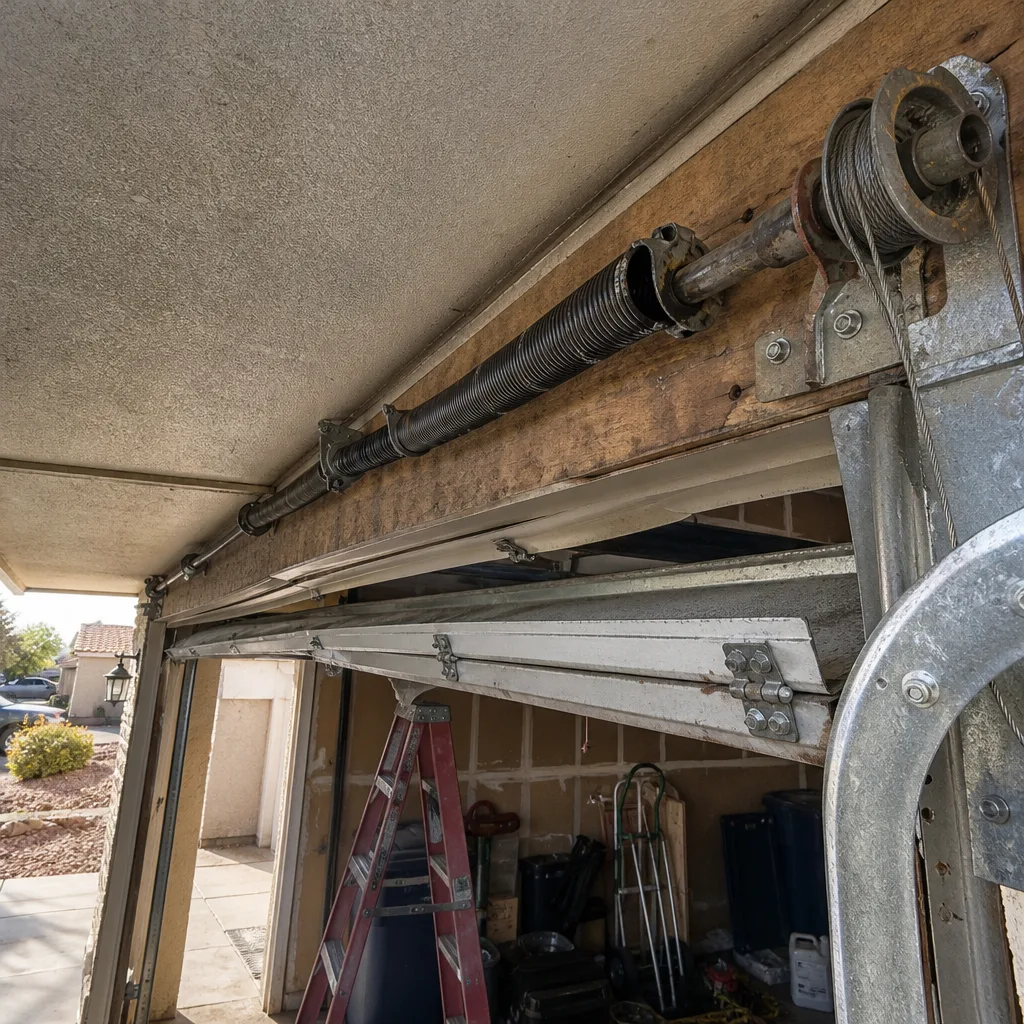
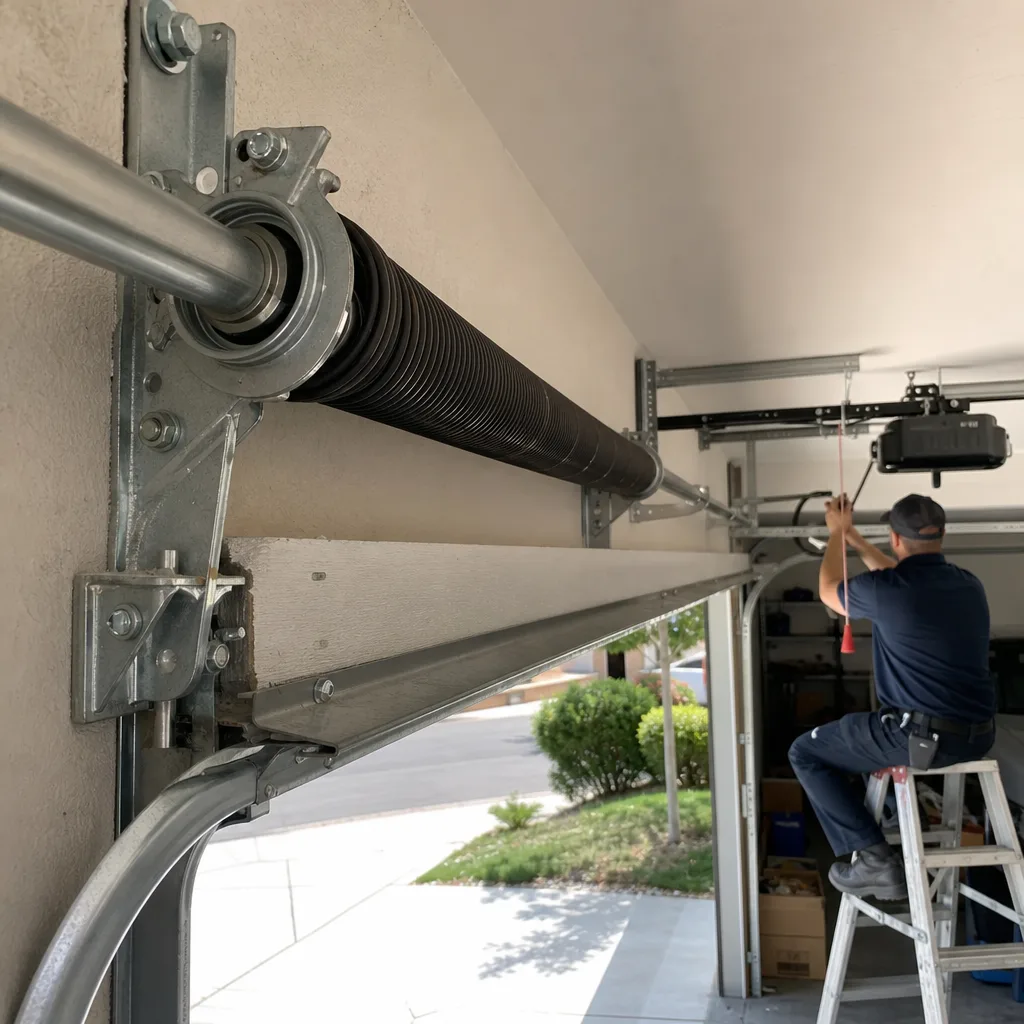
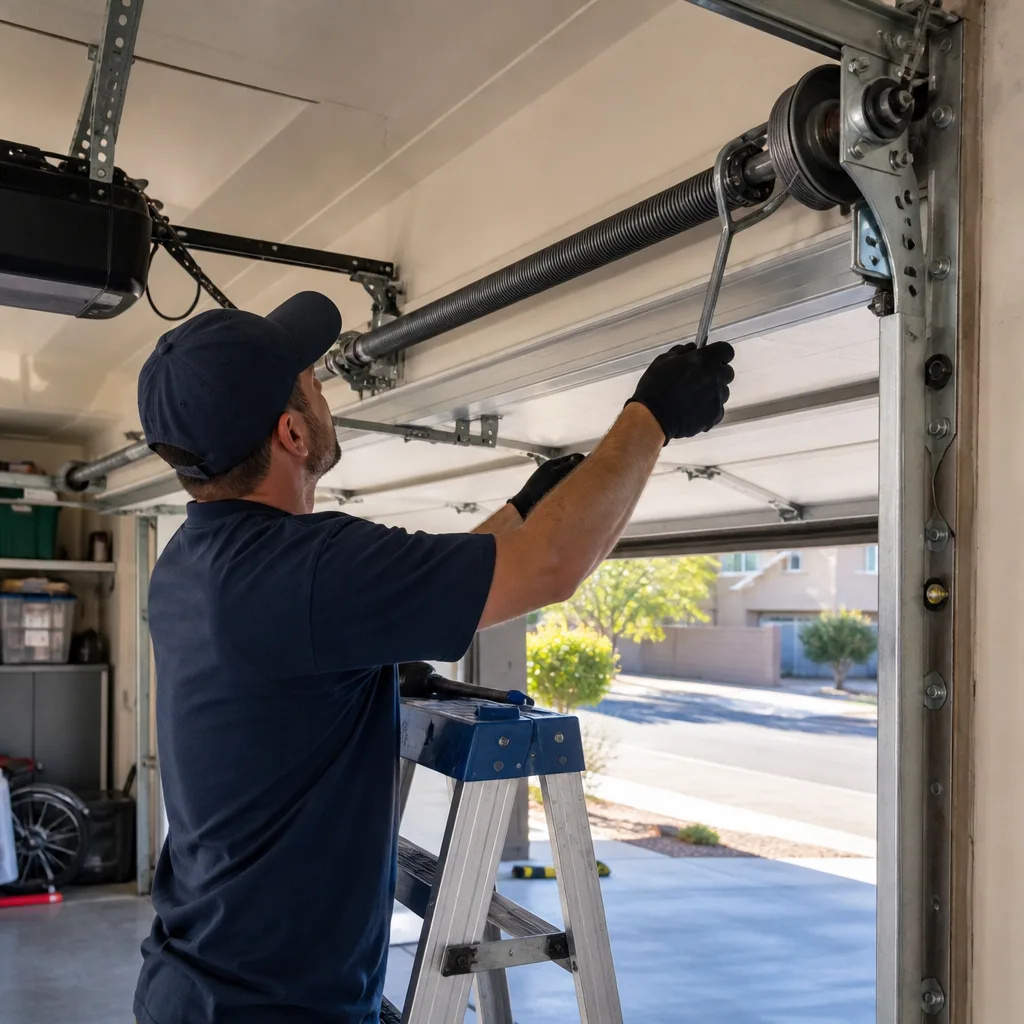
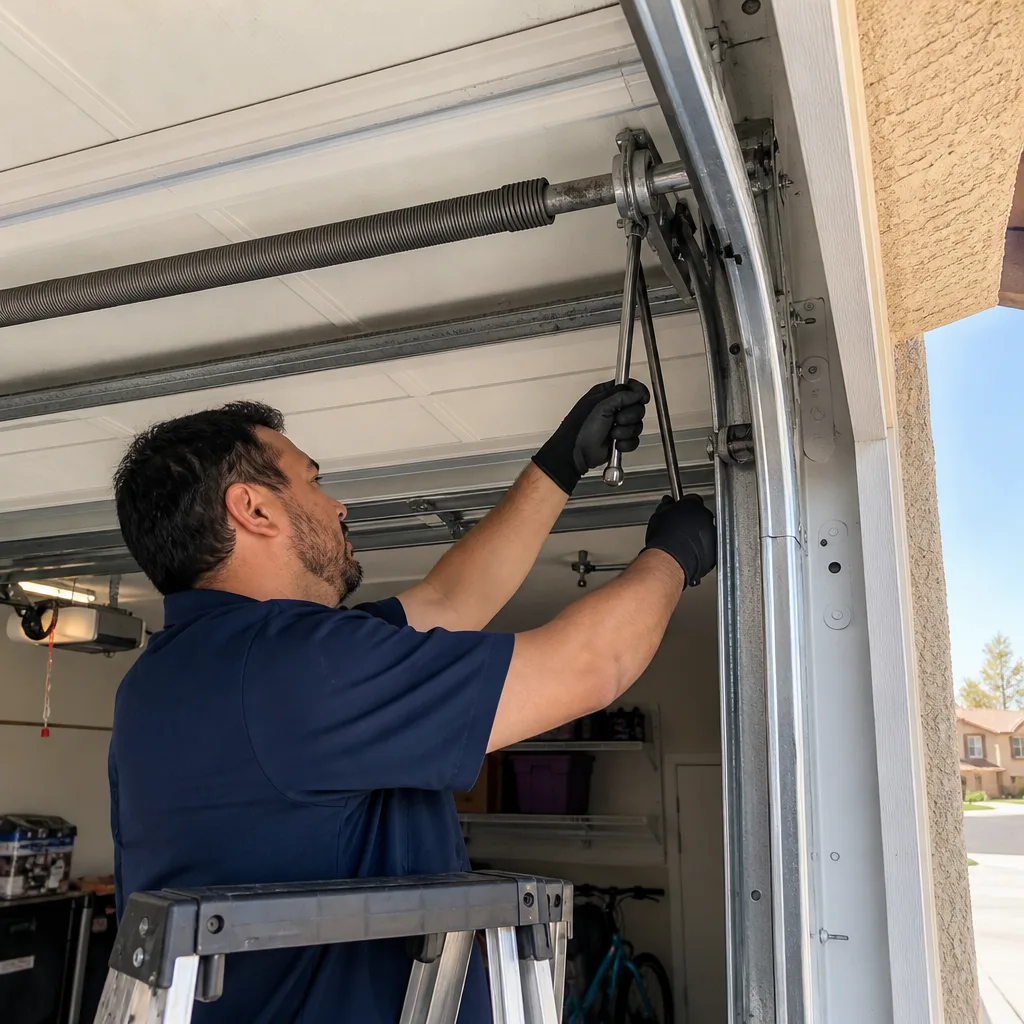
The torsion spring is the thick coiled spring mounted horizontally above the door opening, and it bears most of the door’s lifting load. In Henderson, this spring goes through temperature swings most manufacturers never designed for. A garage in the Anthem or Seven Hills area can hit 130°F inside during an August afternoon, then drop to 70°F the same night. That is a 60-degree daily swing, repeated for 90 consecutive days.
Spring steel, like every metal, expands when it heats and contracts when it cools. Expansion reduces the effective tension in the spring. A spring that was calibrated at a 70°F February morning will be measurably looser at 130°F. That means the door is heavier relative to the spring’s lifting force, which puts more load on the opener motor and more stress on the cables. We have adjusted springs in July that were set perfectly in February and found them out of spec by enough to shorten the opener’s lifespan measurably.
The failure pattern that explains October is called thermal fatigue. Each daily expansion and contraction cycle creates microscopic stress fractures at the grain boundaries of the spring steel. These fractures don’t cause immediate failure. They accumulate. By September, a spring that spent all summer cycling through 60-degree daily swings has a compromised internal structure. Then October arrives. The heat finally relents, families settle back into school routines, and the door starts cycling six or eight times a day instead of three. The additional cycles are what finish the job. The spring snaps on a Tuesday morning when the door is halfway up, and the homeowner is stuck with a door that won’t open and a 300-pound section hanging at a dangerous angle.
We run Garage Door Repair in Henderson calls like this every October, and the conversation is always the same. The homeowner says the door was fine all summer. That’s true. It was fine right up until it wasn’t, and the failure was scheduled by the heat, not by the cold.
Signs a Spring Is Heat-Compromised Before It Breaks
- The door feels heavier than it did in spring. You’re the best sensor. If the door requires noticeably more effort to lift manually, the spring has lost tension.
- The door opens slowly or stops partway. The opener is working harder to compensate for a spring that isn’t pulling its share.
- You see a visible gap in the spring coils. A torsion spring is a continuous coil. If a gap of more than a quarter inch appears between any two coils, the metal has started to yield and the spring is on borrowed time.
- You hear a sharp pop or bang from the general direction of the spring. This is the sound of a few coils snapping. The door may still open, but the failure has already started.
Any one of these signals is reason to schedule a professional inspection. If the door won’t open at all, the spring is already gone. That is not a DIY repair job. The stored energy in a garage door spring system is enough to break bones or worse, and we recommend against any homeowner attempting it.
Monsoon Season and Weather Seal Failure
Henderson’s monsoon season runs from early July through late September, and while the total rainfall is modest by national standards, the intensity is not. A monsoon storm can drop a half inch of rain in 30 minutes, often accompanied by wind strong enough to drive water horizontally. A garage door that has been completely dry all summer will let that water in through exactly one place: the bottom seal.
The bottom seal, sometimes called the astragal, is the flexible strip that runs along the bottom edge of the door. Its job is to close the gap between the door and the concrete slab. In Henderson’s heat, rubber and vinyl seals dry out, crack, and lose their flexibility. Once the seal loses flexibility, it doesn’t conform to the slab on the down cycle, and water driven by monsoon wind goes right under it. We see this pattern every summer in homes across Green Valley, McCullough Hills, and West Henderson.
The fix is simple and inexpensive. Bottom seals cost $20 to $45 in materials, and a homeowner with basic DIY confidence can replace one in about 30 minutes. The seal slides into a channel along the bottom edge of the door, and you pull the old one out from one end, slide the new one in, and trim the excess. If the seal is the T-style with a bead, make sure the bead seats fully in the channel. If the door has been sealing fine and the concrete slab has settled unevenly, a thicker U-shaped seal can bridge the gap, but that sometimes requires a professional adjustment to the door’s downward travel limit.
Check the side and top weatherstripping too. These are the strips on the two verticals and the top horizontal of the door frame. They degrade more slowly than the bottom seal, but after three or four Henderson summers, they are typically cracked enough to let dust in even when rain isn’t a factor. Dust in the garage means dust in the tracks, and dust on the rollers accelerates wear. Replacing all four perimeter seals at once is a $100 to $200 job and buys you several years of clean, dry operation.
If a monsoon storm has already soaked your garage floor, make sure the area around the tracks dries completely. Standing water near floor bolts leads to rust, and rusted track hardware is a repair you won’t see coming until the track loosens and the door binds.
Garage Interior Heat and Opener Motor Lifespan
The garage door opener motor is an electric motor, and every electric motor has a maximum ambient operating temperature. Most residential garage door opener motors are rated to function correctly up to about 100°F ambient. Here is the problem: in August, the ambient temperature inside an uninsulated Henderson garage can reach 130°F or higher, especially in attached garages on west-facing lots.
When an electric motor operates above its rated temperature, two things happen. The insulation on the motor’s windings degrades faster, and the thermal overload protection circuitry trips more readily. Thermal overload protection is the built-in safety that shuts the motor down rather than letting it burn out. On a 120°F Henderson afternoon, an opener that has been working hard to lift a heat-loosened door can trip its thermal protection and refuse to run for 15 to 20 minutes. The homeowner’s natural response is to think the opener is broken. Usually it isn’t. It’s hot.
The long-term consequence is shortened lifespan. A garage door opener in a climate-controlled environment might last 15 to 20 years. The same opener in a Henderson garage without ventilation is more likely to need replacement in 8 to 12 years, and the failure mode will be burned windings or a fried control board rather than simple wear.
You can mitigate this in two ways without going to extremes. First, if your garage has windows, ventilate them overnight in summer. Even a 10-degree overnight reduction in garage temperature helps the motor shed heat. Second, consider a garage exhaust fan or a vented garage door panel if you are replacing the door anyway. We also see measurable improvement in homes where the garage ceiling has been insulated. That is not a cheap project, but if your garage ceiling is uninsulated and there is living space above it, the insulation pays for itself in both opener lifespan and reduced cooling load on the house.
If your opener is more than ten years old and has spent those years in an uninsulated Henderson garage, begin budgeting for replacement. That is not a push for an unnecessary upgrade. It is a realistic expectation based on what desert heat does to motor components. When the time comes, Garage Door Opener Repair in Henderson is a service we provide, and we can tell you honestly whether a repair is worth the cost or whether replacement makes more sense.
The Post-Summer 15-Minute Visual Inspection
October is the damage assessment month in Henderson. The heat has done its work for the year, and this is when you find out what it broke. For a full breakdown of what repairs typically cost, see our Garage Door Cost Breakdown: The Henderson Homeowner’s Reference for 2026. The following inspection takes 15 minutes and requires no tools other than a flashlight. We recommend doing it the first weekend of October, every year, without exception.
- Run a full open-close cycle and listen. As in April, the door should be smooth and reasonably quiet. Any new grinding, squealing, or rattling that wasn’t there in April points to heat-related wear.
- Inspect the torsion spring with a flashlight. Look for gaps between coils, rust spots, or any visible deformation. A healthy spring has tight, even coils with no gaps. A gap means the spring has started to fail.
- Check the cables. The cables are the thin steel wires on both sides of the door that attach to the bottom corners. Look for fraying, rust, or any single wire that has broken away from the bundle. Cable failure is the second most common post-summer failure in Henderson, and a broken cable is dangerous. If you see fraying, call a professional. Do not touch the cable. It is under tension and a broken strand can cut.
- Check the rollers. Look at each roller where it enters the track. You want to see smooth, round, intact rollers. If a roller has flat spots, visible cracks in the wheel, or is missing the ball bearings that center it on the shaft, it needs replacement.
- Inspect the tracks from top to bottom. Look for dents, bends, or gaps where the track has pulled away from the wall brackets. Tracks expand and contract with the heat, and concrete anchors can loosen. A track that has shifted a half inch will cause binding within a few weeks.
- Test the auto-reverse safety feature again. The 2×4 test ten minutes after April. The heat can change the force sensitivity settings, so re-testing in October catches any drift.
- Look for new cracks in the weather seals. Monsoon season and summer heat have both had their shot at the seals. If the bottom seal shows new cracks or doesn’t compress against the slab, replace it before winter.
- Lubricate lightly. A refresh coat of silicone lubricant on the rollers and hinges carries the door through the cooler months and prevents the squeaks that often appear in November.
This inspection catches 90% of the failures we see in November and December. A door that passes cleanly is a door that will almost certainly run quietly through the winter. A door that flags any one of these items is a door that will probably fail at the worst possible moment, and the time to address it is before that happens.
Common Mistakes to Avoid
- Using WD-40 on garage door rollers or hinges. WD-40 is a solvent and a water displacer, not a lubricant. It strips the existing grease and leaves the metal dry within days. Use a silicone-based garage door lubricant. It’s designed for this application and costs the same.
- Lubricating the torsion spring coils. The spring coils do not need lubrication. Oil on the coils attracts dust, and Henderson summer dust caked into a spring coil is an abrasive that accelerates wear. Leave the spring dry.
- Ignoring a slow-opening door. A door that opens slower than it used to is telling you something. Usually the spring is losing tension or the opener is overheating. Both problems get more expensive the longer you wait.
- Adjusting torsion spring tension yourself. A torsion spring on a 16-foot Henderson door holds roughly 700 pounds of tension. That tension releases all at once if the winding bars slip. This is the single most dangerous DIY task a homeowner can attempt. We have seen the injuries. Call a professional.
- Skipping the October inspection because the door works. The door works right up until the moment it doesn’t. The October inspection exists to catch the failure before it becomes an emergency. It costs 15 minutes. It is the cheapest insurance you will ever buy.
- Running the opener repeatedly when it trips thermal protection. If the opener shuts down on a hot day and won’t respond, let it cool. Forcing repeated attempts just adds heat to an already-hot motor. Wait 20 minutes and try again. If it still won’t run, that’s the signal to call.
- Replacing only one spring when one breaks. Garage doors with a torsion spring system almost always have two springs. If one has snapped, the other is the same age and has lived through the same Henderson summers. It is already compromised. Replace both. The savings on one spring evaporates in a few months when the second one lets go.
When to Call a Professional
Any task involving a torsion spring or a lift cable is a professional job, full stop. We don’t say this to protect a revenue stream. We say it because the stored energy in these systems has caused injuries in Henderson homes that could have been avoided by a $150 service call. If you have a broken spring, a frayed cable, or a door that has come off its tracks, stop using the door and call for service.
Beyond the obvious dangers, call a professional if the door is binding, if the opener has stopped responding after repeated thermal trips, or if your October inspection flags multiple items at once. A trained eye can spot the interaction between problems that a sequential DIY fix would miss. Brock Garage Doors Henderson offers free estimates in Henderson – call (775) 458-8864.
Frequently Asked Questions
Most of the maintenance tasks in this guide cost nothing but time. Lubricant runs $8 to $12 per can, a replacement bottom seal runs $20 to $45, and a full perimeter seal kit runs $100 to $200. If you call a professional for a tune-up, expect $85 to $150 for a full inspection, lubrication, tightening, and safety test. Call (775) 458-8864 for an exact quote – estimates are free.
Twice a year. Once in April before the sustained heat, and once in October after the heat has done its damage. Run the full inspection sequence both times. The April pass is about preparation, and the October pass is about assessment. Two focused sessions a year prevents most emergency repairs.
October spring failures in Henderson are the result of summer thermal fatigue. The daily expansion and contraction from 130°F afternoons to 70°F nights creates microfractures in the spring steel over 90 consecutive days. When daily routines shift in October and the door cycles more often, those accumulated fractures finally propagate. The cold weather didn’t do it. The heat did, and October just happens to be when the math works out.
Yes. Applying silicone-based lubricant to the rollers, hinges, and bearing plates is a safe, straightforward task that takes about ten minutes. Use a silicone-based garage door lubricant, not WD-40, and do not lubricate the torsion spring coils themselves.
Standard torsion springs are rated for 10,000 cycles, which most manufacturers translate to seven to ten years of average use. In Henderson, the sustained summer heat typically reduces that to six to eight years, and springs in uninsulated west-facing garages can fail in as few as five. If your springs are more than seven years old and you have never replaced them, you are in the failure window.
Yes. Most residential opener motors are rated for 100°F ambient operation. An uninsulated Henderson garage can hit 130°F in August, and sustained operation above the rated temperature degrades motor winding insulation and control board components. Expect a 20% to 40% reduction in opener lifespan in unconditioned garages. Proper ventilation and garage ceiling insulation both help.
Cable repair is a same-day service in most cases. Most cable repairs run $150 to $275, depending on cable type and drum condition. We carry cables and drums on our trucks for the common door types in Henderson, including Wayne Dalton and Craftsman models. Call (775) 458-8864 and we’ll get a technician out. The written price is confirmed before any work starts.
The Bottom Line
Henderson garage doors don’t fail by season. They fail on a heat schedule. The summer does the damage in silence, and the failures surface in October when the daily cycles increase. If you run the April preparation sequence and the October inspection sequence every year, you will catch most problems before they become emergencies. You will also save money, because a $45 bottom seal replaced in April costs less than the $400 floor damage from a monsoon leak in August. The most important maintenance decisions you make this year are about your torsion springs and your weather seals. Both are documented in this guide. Run both checklists, keep the silicone lubricant away from the spring coils, and if the door is ever off its tracks or the spring is snapped, Garage Door Cable Repair in Henderson is a call away at (775) 458-8864.
Written by Wade Mercer, Owner at Brock Garage Doors Henderson, serving Henderson since 2001.
See the difference
 Before
 After
After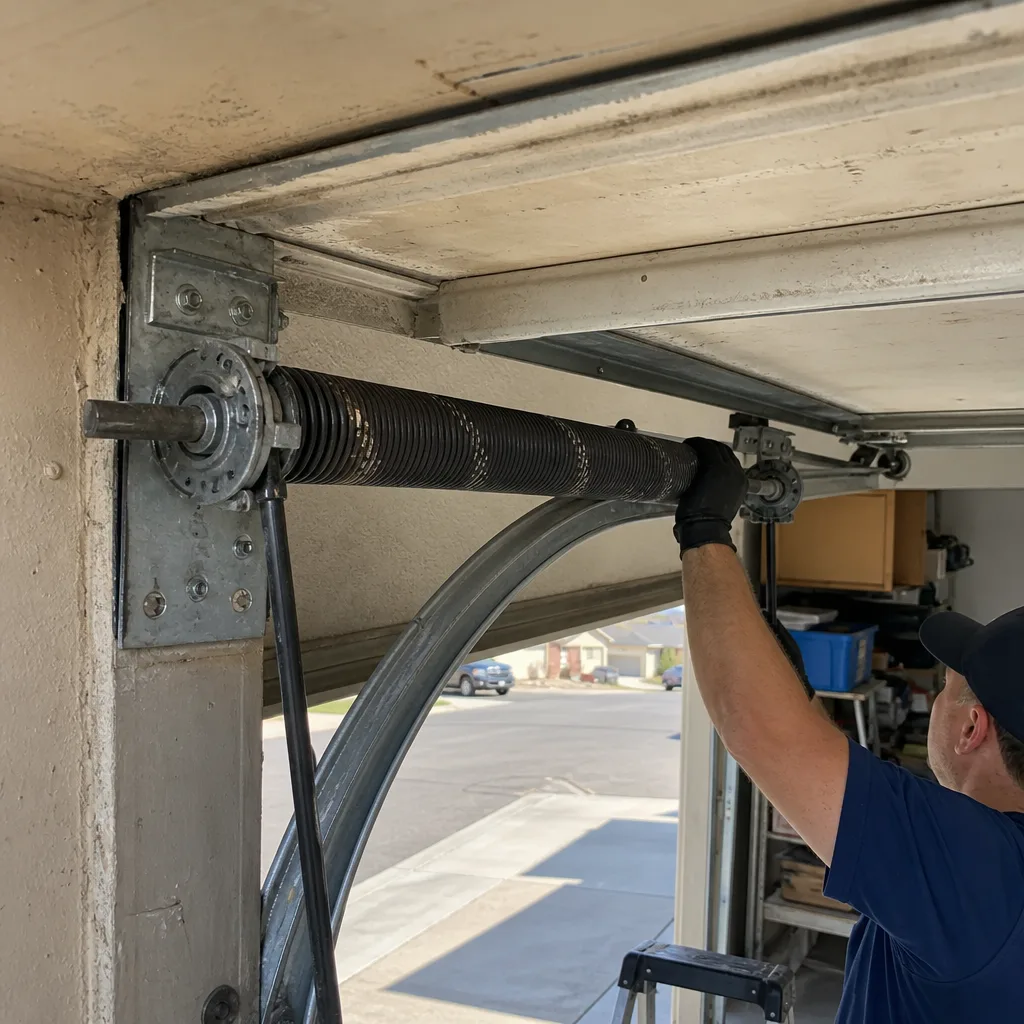 Before
 After
After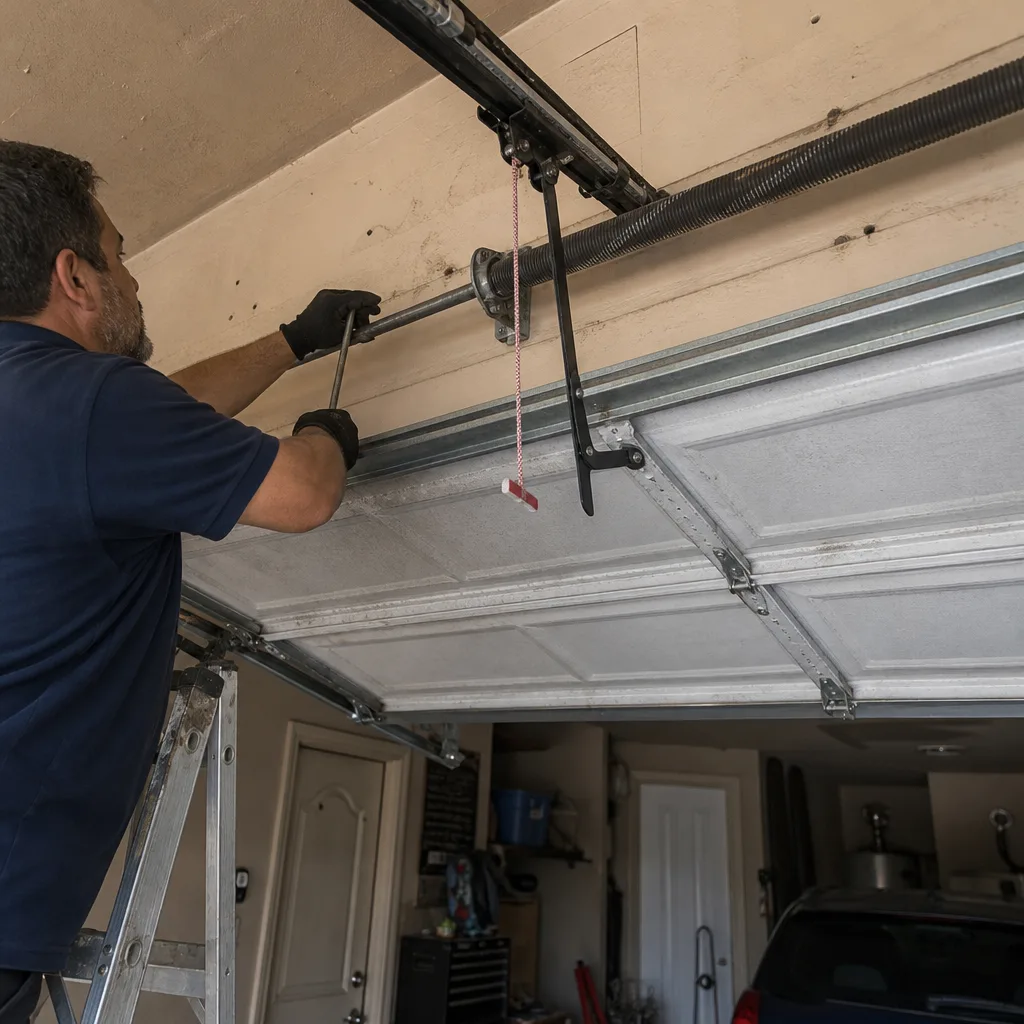 Before
 After
After